
A Comprehensive Guide to Choosing the Right Garment Machinery for Your Textile Business


In the ever-evolving textile industry, selecting the right garment machinery is crucial for ensuring efficiency, quality, and profitability. With a plethora of options available, making the right choice can be daunting. This guide aims to simplify the process by breaking down key considerations and offering practical advice.
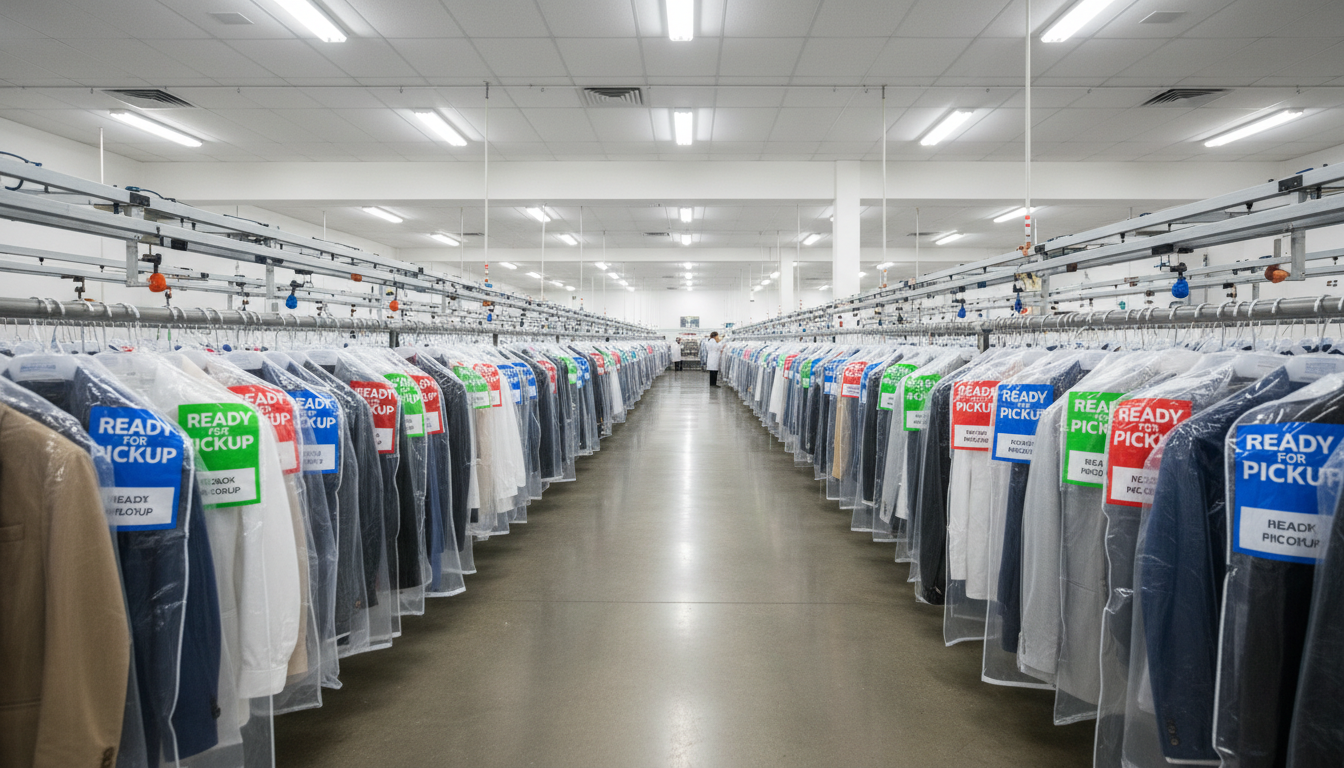
Understanding Your Business Needs
Before diving into the specifics of machinery, it's essential to understand your business’s unique requirements. Are you focusing on mass production or custom designs? Do you need machinery for specific fabrics? Answering these questions will help narrow down your options.
Production Volume
Determine the scale of your production. For high-volume orders, investing in automated machinery might be beneficial. These machines can handle large quantities efficiently, reducing labor costs and time.
Types of Fabric
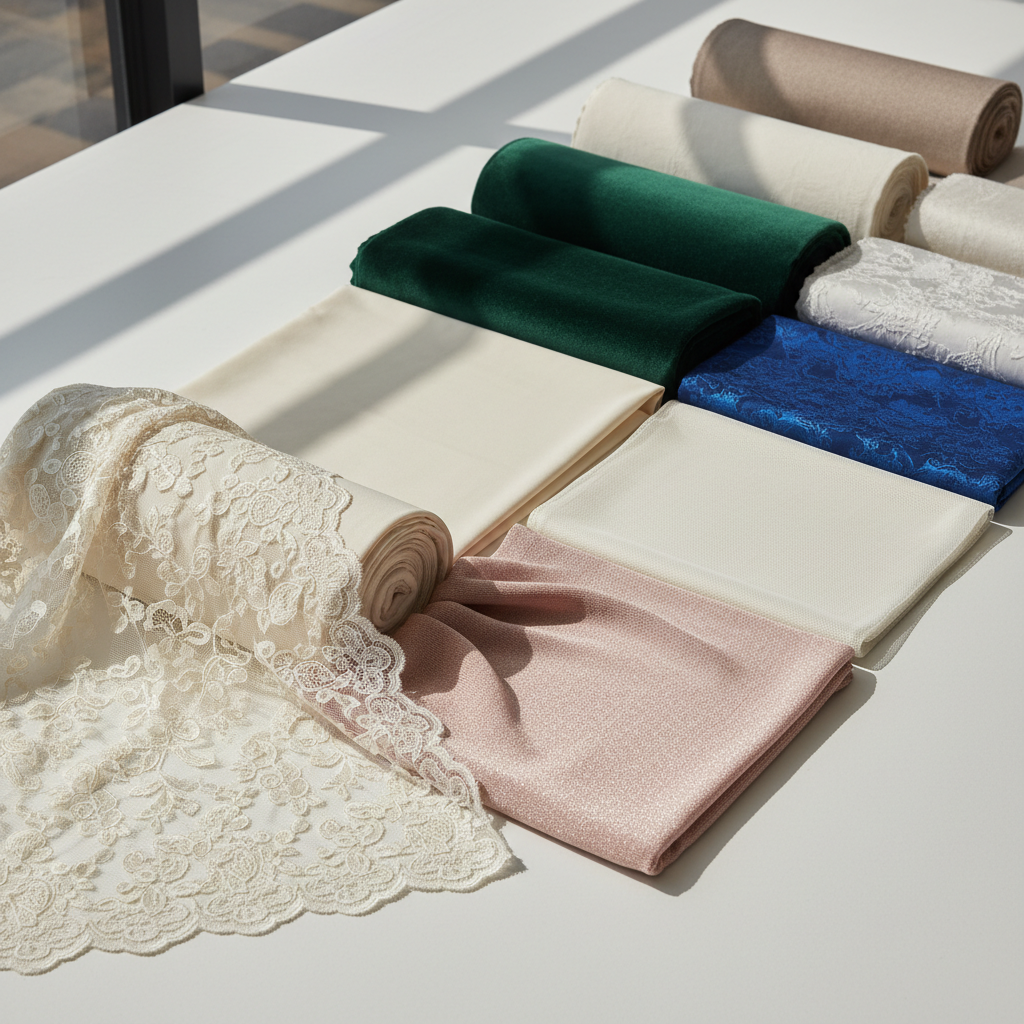
Different fabrics require different machinery. While some machines are versatile, others are designed specifically for certain materials. Ensure that the machinery you choose aligns with the types of fabrics you intend to work with.
Types of Garment Machinery
Garment machinery comes in various forms, each serving a specific purpose. Understanding these can help you make an informed decision.
Sewing Machines
Sewing machines are the backbone of any textile business. Consider whether you require industrial sewing machines for heavy-duty work or specialized machines for intricate designs.
Cutting Machines
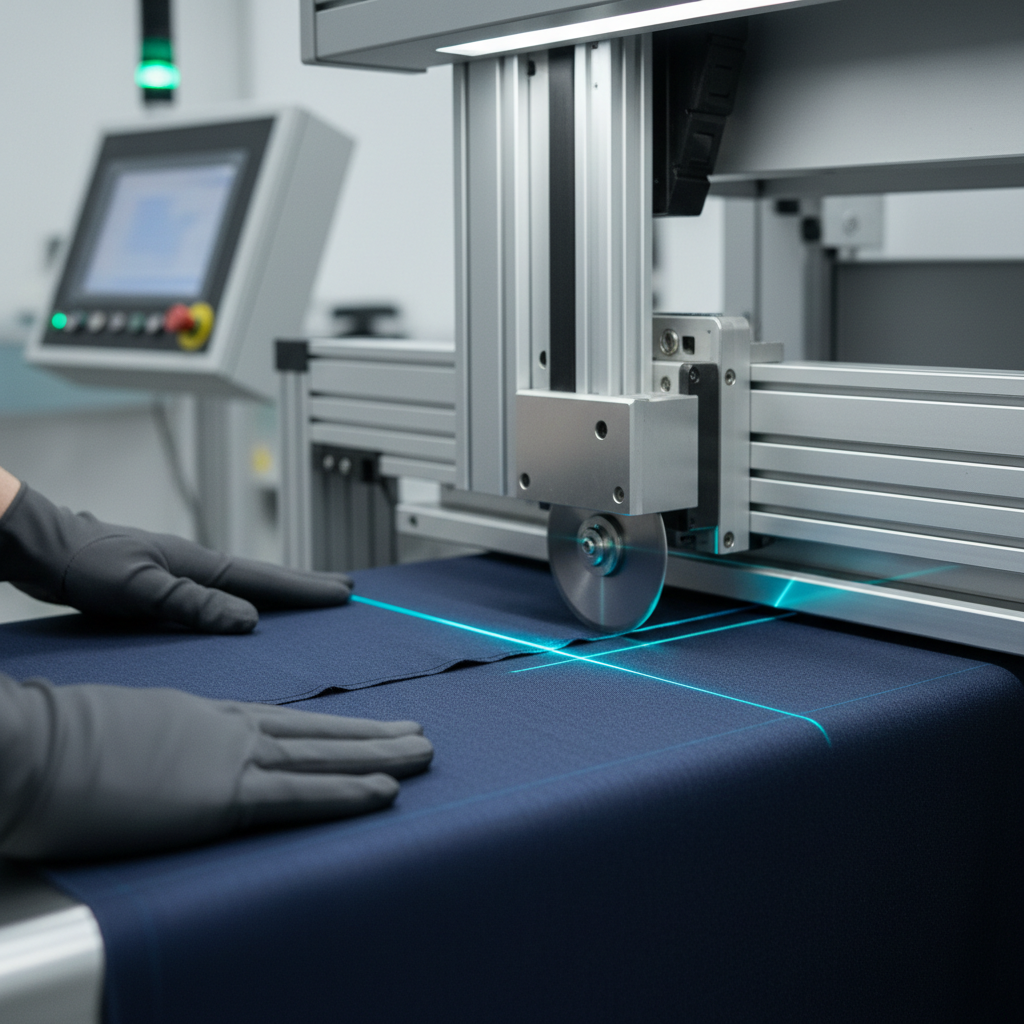
For precise and efficient cutting, investing in high-quality cutting machines is crucial. Options include manual, semi-automatic, and fully automatic machines, each offering different levels of precision and speed.
Key Features to Consider
When selecting machinery, it's important to consider specific features that can enhance productivity and quality.
Automation and Technology
Modern machinery often includes automated features and advanced technology. These can significantly reduce manual labor and increase accuracy, leading to a more streamlined production process.
Energy Efficiency
Energy-efficient machines not only reduce operational costs but also support sustainability initiatives. Look for machinery with energy-saving capabilities to minimize environmental impact.

Budget and Supplier Considerations
Your budget will play a significant role in determining the machinery you can acquire. However, it's important to balance cost with quality and durability.
Cost vs. Quality
While it might be tempting to choose cheaper options, investing in high-quality machinery can save money in the long run by reducing maintenance costs and downtime.
Choosing the Right Supplier
Selecting a reliable supplier is as important as choosing the right machinery. Ensure they offer good customer support, warranty options, and after-sales service.
By carefully assessing your business needs, understanding the types of machinery available, and considering key features, you can make an informed decision that will set your textile business up for success.