
A Comprehensive Guide to Setting Up a Garment Manufacturing Facility


Understanding the Basics of Garment Manufacturing
Setting up a garment manufacturing facility is a complex yet rewarding endeavor. It involves a series of well-coordinated steps, from selecting the right location to streamlining production processes. Whether you're starting from scratch or expanding an existing business, understanding the basics is crucial for success.
Choosing the Right Location
The location of your facility can significantly impact your operations. Consider factors such as proximity to suppliers, accessibility to skilled labor, and logistical conveniences. Urban areas might offer a larger pool of skilled workers, while rural locations could provide cost advantages.
Essential Infrastructure and Equipment
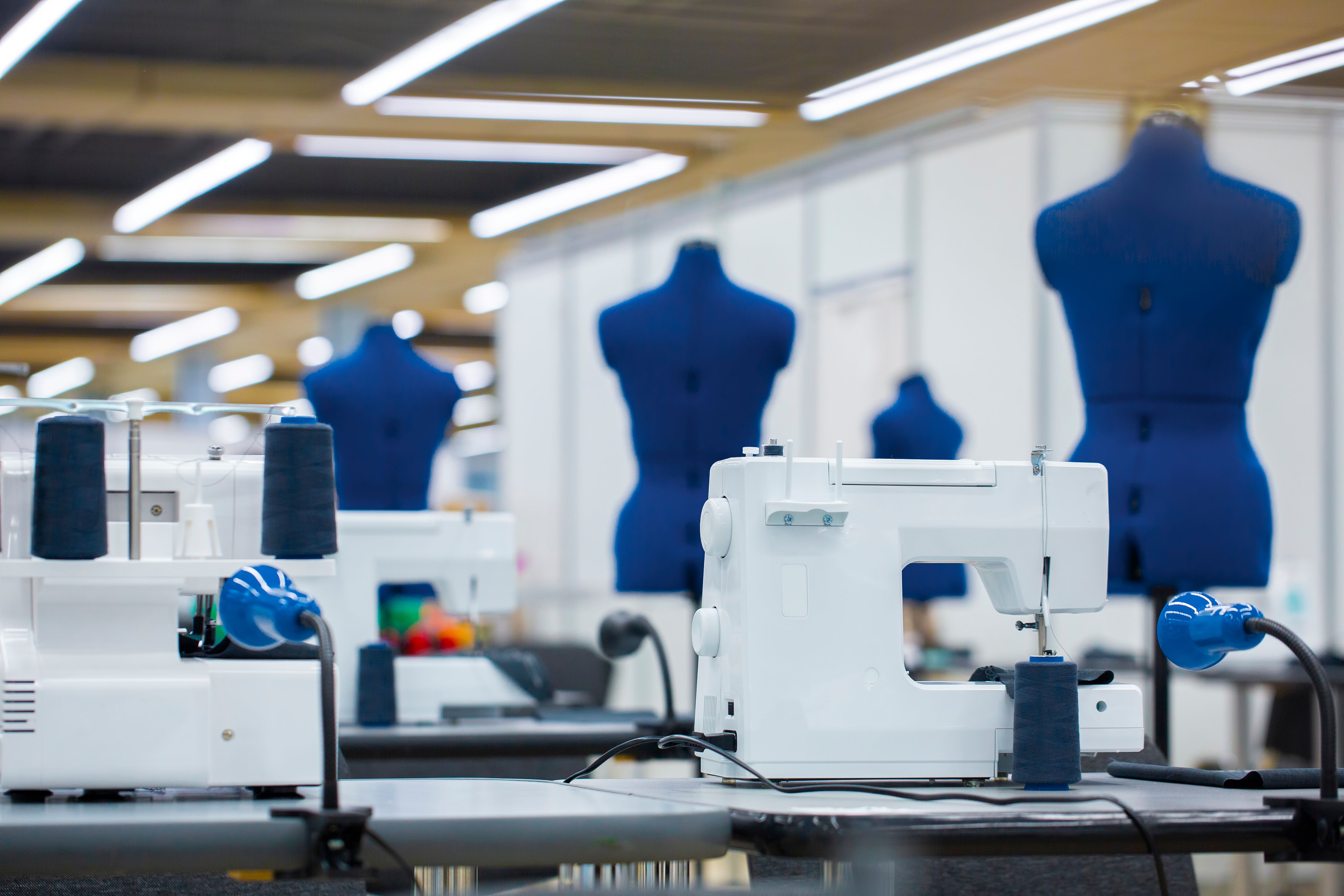
Investing in the right infrastructure and equipment is critical. You'll need a solid foundation, including cutting tables, sewing machines, and pressing equipment. Ensure the layout of the facility promotes efficient workflow and safety regulations are strictly followed.
Setting Up Your Supply Chain
A robust supply chain is vital for maintaining production schedules. Establish relationships with reliable suppliers for fabrics, threads, and other materials. Consider implementing a just-in-time inventory system to reduce waste and improve efficiency.
Hiring Skilled Workforce
Your workforce is the backbone of your manufacturing facility. Hire skilled workers with experience in garment production. Invest in ongoing training to keep their skills up to date with the latest industry standards and technologies.

Implementing Quality Control
Quality control is essential in garment manufacturing. Develop a comprehensive quality assurance process to ensure each piece meets the required standards. Regular inspections and feedback loops can help maintain high-quality outputs.
Leveraging Technology and Automation
Technology can greatly enhance productivity and quality. Consider integrating automation for repetitive tasks and using software for inventory management and production planning. These tools can help streamline operations and reduce human error.

Environmental and Social Considerations
Modern consumers are increasingly concerned about sustainability. Implement environmentally friendly practices, such as reducing waste and using eco-friendly materials. Additionally, ensure fair labor practices are upheld to support ethical manufacturing.
Marketing and Distribution Strategies
Once your facility is operational, focus on marketing and distribution. Develop a strong brand identity and utilize both online and offline channels to reach your target audience. Establish partnerships with retailers and explore direct-to-consumer models.

Setting up a garment manufacturing facility is a multifaceted process that requires careful planning and execution. By following these guidelines, you can build a successful enterprise that meets market demands and stands out in the competitive fashion industry.