
Case Study: How Cam Le JSC Transformed Local Textile Production


Introduction
In an industry that is often criticized for environmental and ethical concerns, Cam Le JSC has emerged as a beacon of innovation and responsibility in local textile production. This case study explores how Cam Le JSC revolutionized the textile sector through sustainable practices and community engagement.
Background
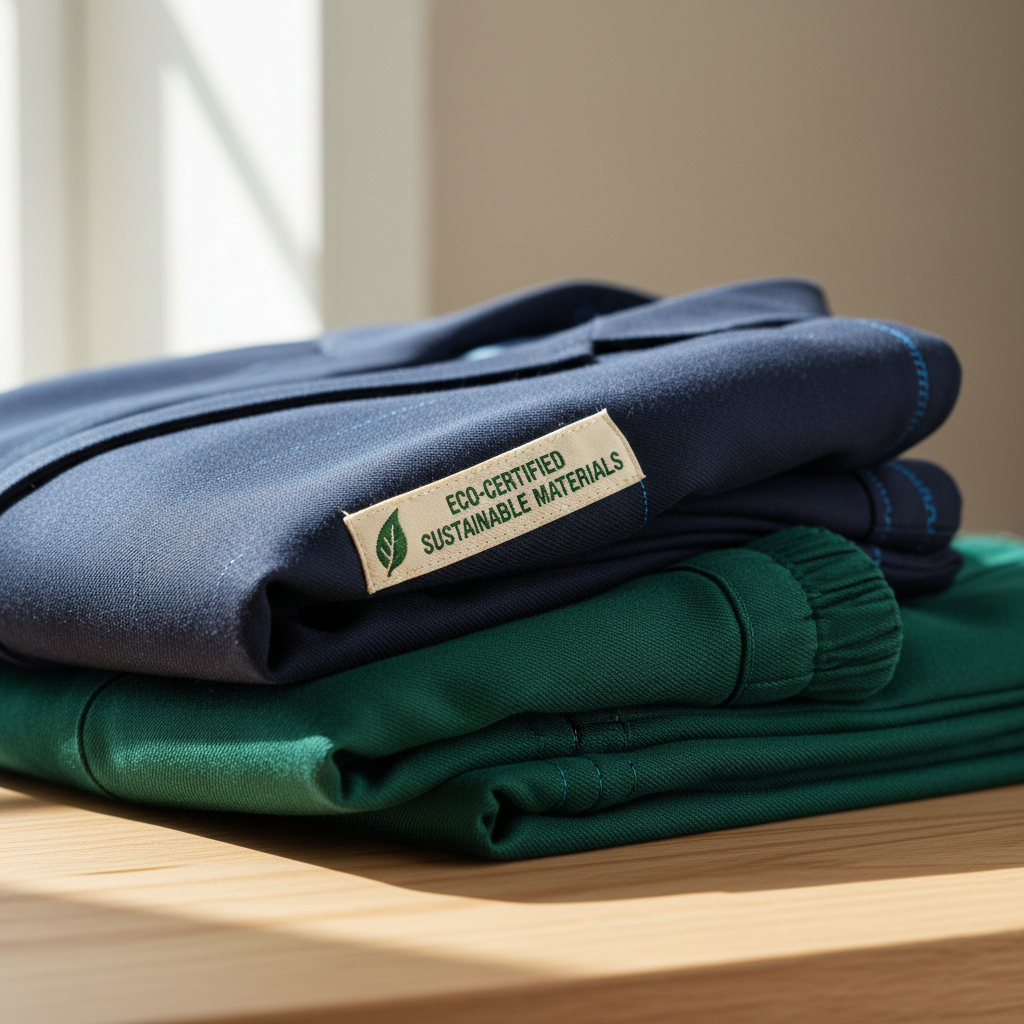
Founded a decade ago, Cam Le JSC started as a small family-run business. Initially, their focus was on producing high-quality textiles for local markets. However, the company soon recognized the need for change due to the growing demand for sustainable and ethically produced materials.
To meet these demands, Cam Le JSC embarked on a transformative journey, setting new standards in the textile industry. Their approach was multi-faceted, focusing on sustainability, technology, and community development.
Sustainable Practices
Cam Le JSC implemented several *green initiatives* to minimize their environmental impact. They invested in energy-efficient machinery and adopted water-saving technologies. The company also prioritized the use of organic and recycled materials in their production processes.

Moreover, Cam Le JSC introduced a comprehensive waste management system. By recycling and reusing waste materials, the company significantly reduced its carbon footprint, setting an example for other textile manufacturers.
Technological Innovations
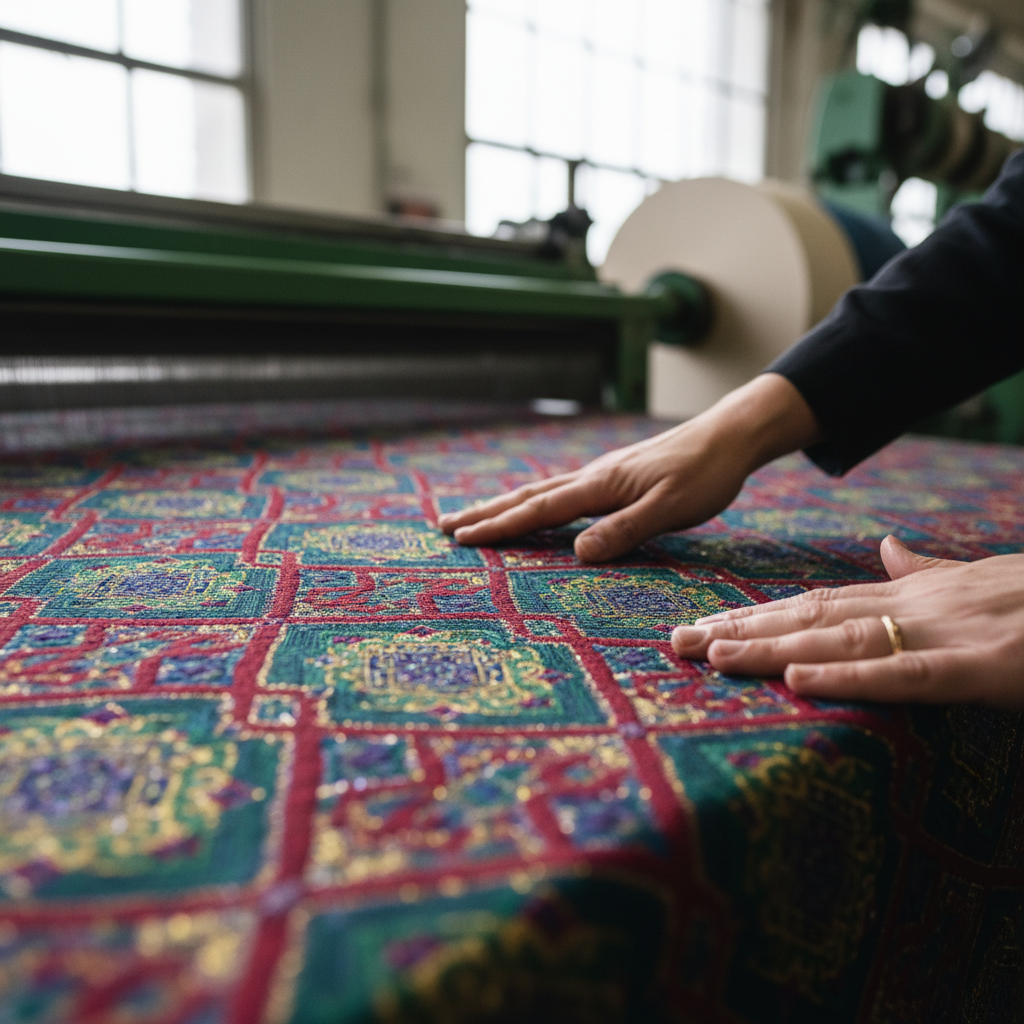
Innovation was at the heart of Cam Le JSC's transformation. The company integrated cutting-edge technology to streamline operations and enhance product quality. Their use of advanced software for inventory management and automated production processes resulted in increased efficiency and reduced waste.
Furthermore, Cam Le JSC embraced digital marketing strategies to reach a wider audience, leveraging social media and e-commerce platforms to showcase their sustainable products.
Community Engagement
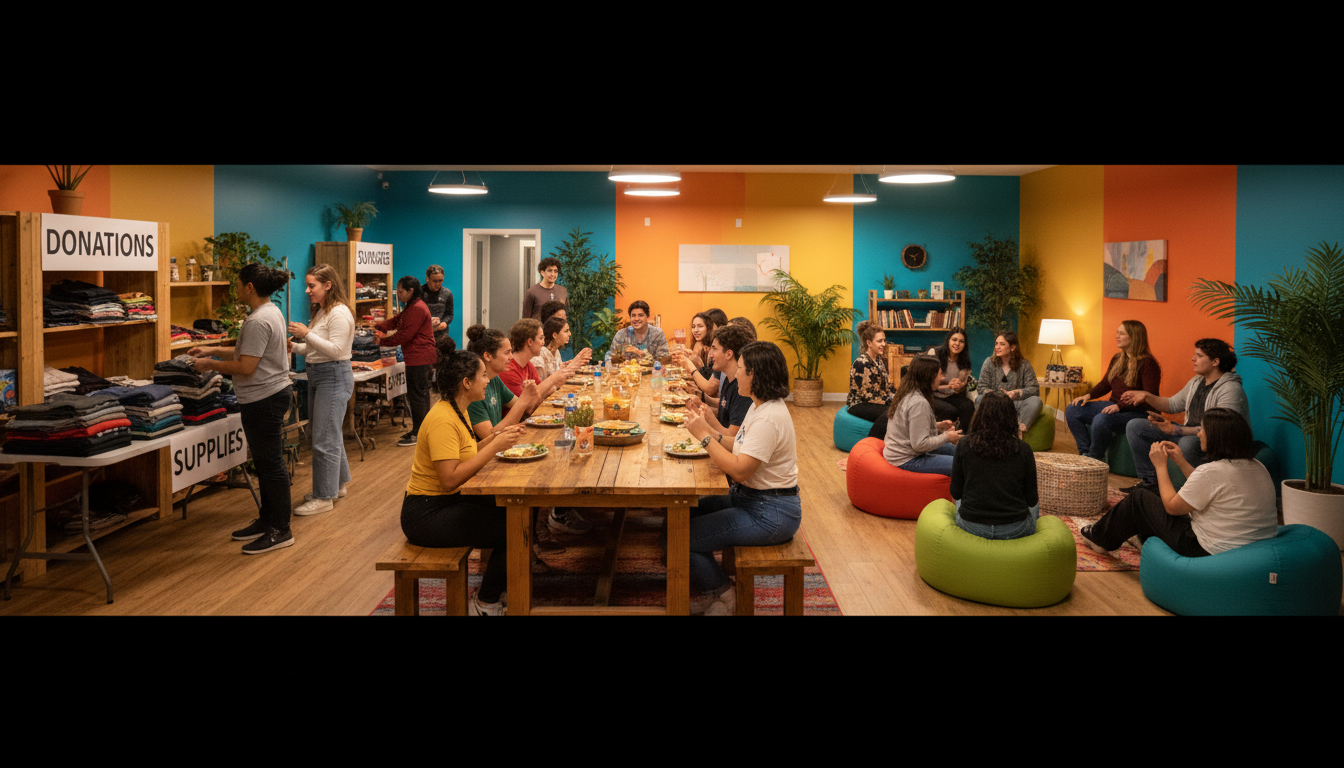
Cam Le JSC's commitment to social responsibility extended beyond environmental concerns. The company actively engaged with local communities, providing employment opportunities and supporting education initiatives. They established training programs to equip local workers with skills needed for the modern textile industry.
Additionally, Cam Le JSC collaborated with local NGOs to support community development projects, thereby strengthening their relationship with the community and promoting a culture of sustainability.
Results and Impact
The transformation of Cam Le JSC has had a profound impact on the local textile industry. The company's sustainable practices have not only improved their bottom line but have also inspired other businesses to adopt similar strategies. Their success has led to a ripple effect, encouraging a more sustainable and ethical approach to textile production in the region.
Cam Le JSC has proven that it is possible to balance profitability with responsibility. By prioritizing sustainability and community engagement, they have set a new benchmark for the industry.
Conclusion
Cam Le JSC's journey serves as a powerful case study of how businesses can transform challenges into opportunities. Through innovation, sustainability, and community involvement, they have redefined what it means to be a leader in the textile industry. Their story is a testament to the positive impact that responsible business practices can have on both the environment and society.