
Case Study: Success Stories of Garment Machinery Implementation


Introduction to Garment Machinery Implementation
In the fast-paced world of fashion and textiles, efficiency and innovation are key to staying competitive. The implementation of advanced garment machinery has revolutionized production processes, offering manufacturers unprecedented advantages. This case study delves into the success stories of businesses that have embraced these technologies, highlighting the transformative impact on their operations.
From reducing production time to enhancing product quality, garment machinery has become a cornerstone of modern manufacturing. Companies worldwide have leveraged these tools to streamline operations and achieve remarkable growth.

Enhancing Production Efficiency
One of the primary benefits of implementing garment machinery is the significant boost in production efficiency. By automating repetitive tasks, manufacturers can significantly reduce the time needed to produce each garment. For instance, a leading apparel company reported a 40% increase in output after integrating automated cutting and sewing machines.
This increase in efficiency not only allows for higher production volumes but also enables companies to better meet tight deadlines. As a result, businesses can take on larger orders and expand their market reach without compromising on quality.
Cost Reduction and Resource Optimization
Beyond improving efficiency, garment machinery also plays a crucial role in cost reduction. By minimizing manual labor and optimizing resource use, companies can lower their operational expenses. A textile manufacturer noted a 25% decrease in labor costs after adopting automated embroidery machines.
Moreover, these machines ensure precise material usage, reducing waste and enhancing sustainability efforts. This alignment with eco-friendly practices not only benefits the environment but also resonates with increasingly conscious consumers.
Improving Product Quality
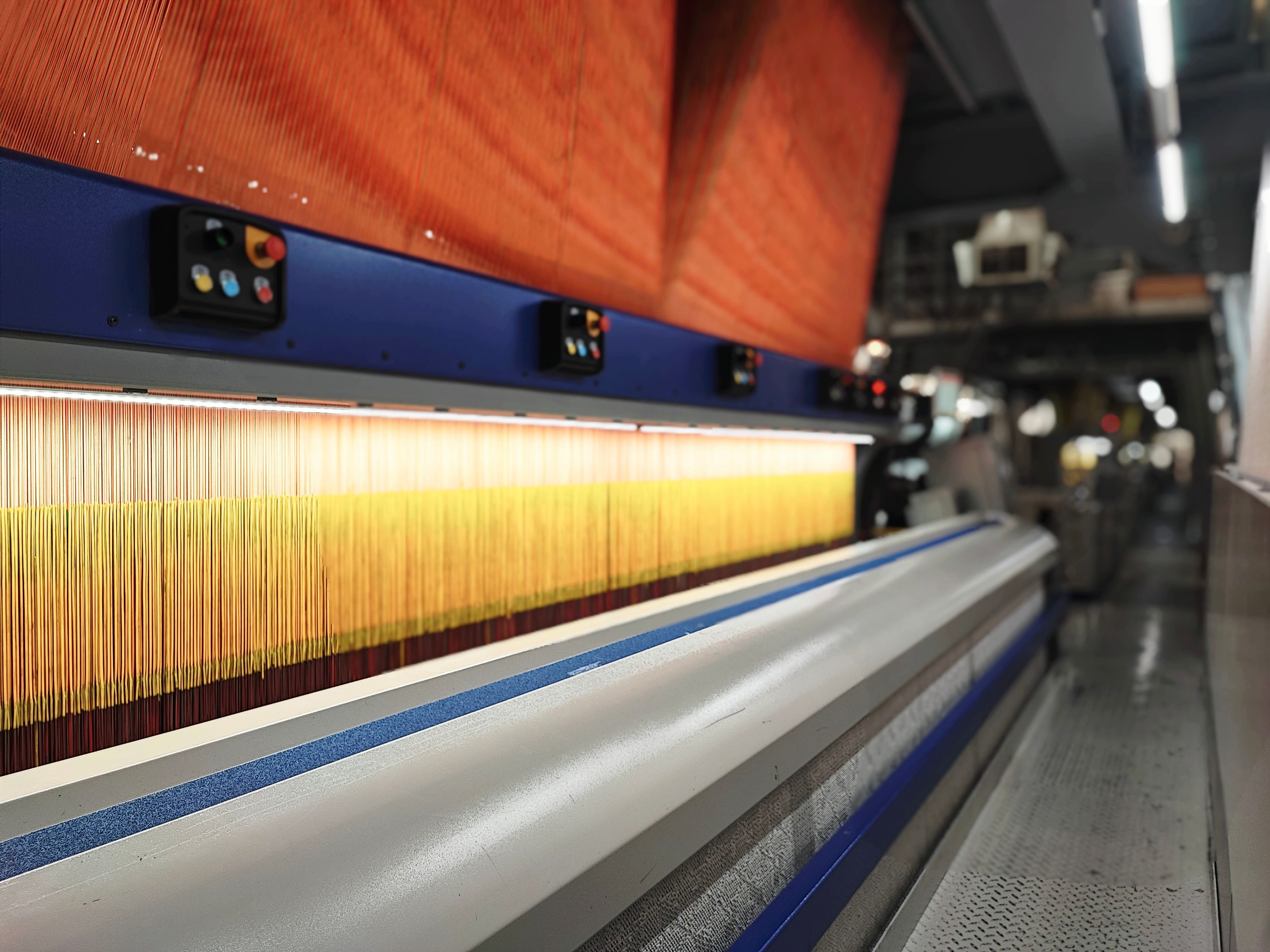
Quality is a critical factor in the garment industry, and advanced machinery has proven instrumental in maintaining high standards. Automated machines offer consistency and precision that manual processes often lack. A leading fashion brand experienced a 30% reduction in product defects after implementing state-of-the-art quality control machines.
This improvement in quality translates to higher customer satisfaction and fewer returns, ultimately boosting brand reputation and customer loyalty. In a competitive market, delivering superior products can be the differentiator that sets a brand apart.
Case Study: A Fashion Brand's Transformation
Consider the case of a mid-sized fashion brand that embraced garment machinery. Facing challenges with production bottlenecks and inconsistent quality, the company decided to invest in automated sewing and cutting machines. The results were astounding—production time was halved, and product quality improved dramatically.
The brand not only expanded its product line but also entered new markets, achieving a 50% increase in revenue within the first year. This success story exemplifies how strategic implementation of technology can drive growth and innovation.
Conclusion
The success stories of garment machinery implementation underscore its pivotal role in transforming the fashion and textile industry. From enhancing efficiency and reducing costs to improving quality and sustainability, the benefits are substantial. Companies that harness the power of advanced machinery position themselves for success in an ever-evolving market.
As technology continues to advance, the potential for further innovations in garment manufacturing is limitless. Embracing these changes not only secures a competitive edge but also paves the way for a more efficient and sustainable future.