
Case Study: Successful Implementation of Garment Machinery in Ho Chi Minh City


Introduction
The textile industry in Ho Chi Minh City has witnessed a significant transformation with the successful implementation of advanced garment machinery. This case study explores how these technological advancements have enhanced productivity and efficiency in the region's garment manufacturing sector.
Ho Chi Minh City, a bustling hub of industrial activity, has long been recognized for its vibrant textile market. However, the introduction of modern garment machinery has taken the industry to new heights, offering substantial benefits to manufacturers and workers alike.

Challenges Faced by the Textile Industry
Before the adoption of advanced machinery, the textile industry in Ho Chi Minh City faced several challenges. These included high labor costs, inconsistent product quality, and lengthy production times. Traditional methods were no longer sufficient to meet the growing demands of international markets.
Manufacturers were under pressure to improve efficiency and reduce production costs while maintaining high-quality standards. This necessitated the adoption of new technologies to stay competitive in the global market.
Embracing Technological Change
The introduction of cutting-edge garment machinery marked a turning point for local manufacturers. These machines offered automated solutions that streamlined various production processes, significantly reducing the time and labor required for garment production.
Key technologies implemented included computerized embroidery machines, automatic cutting systems, and advanced sewing machines. These innovations allowed manufacturers to produce garments with greater precision and consistency.
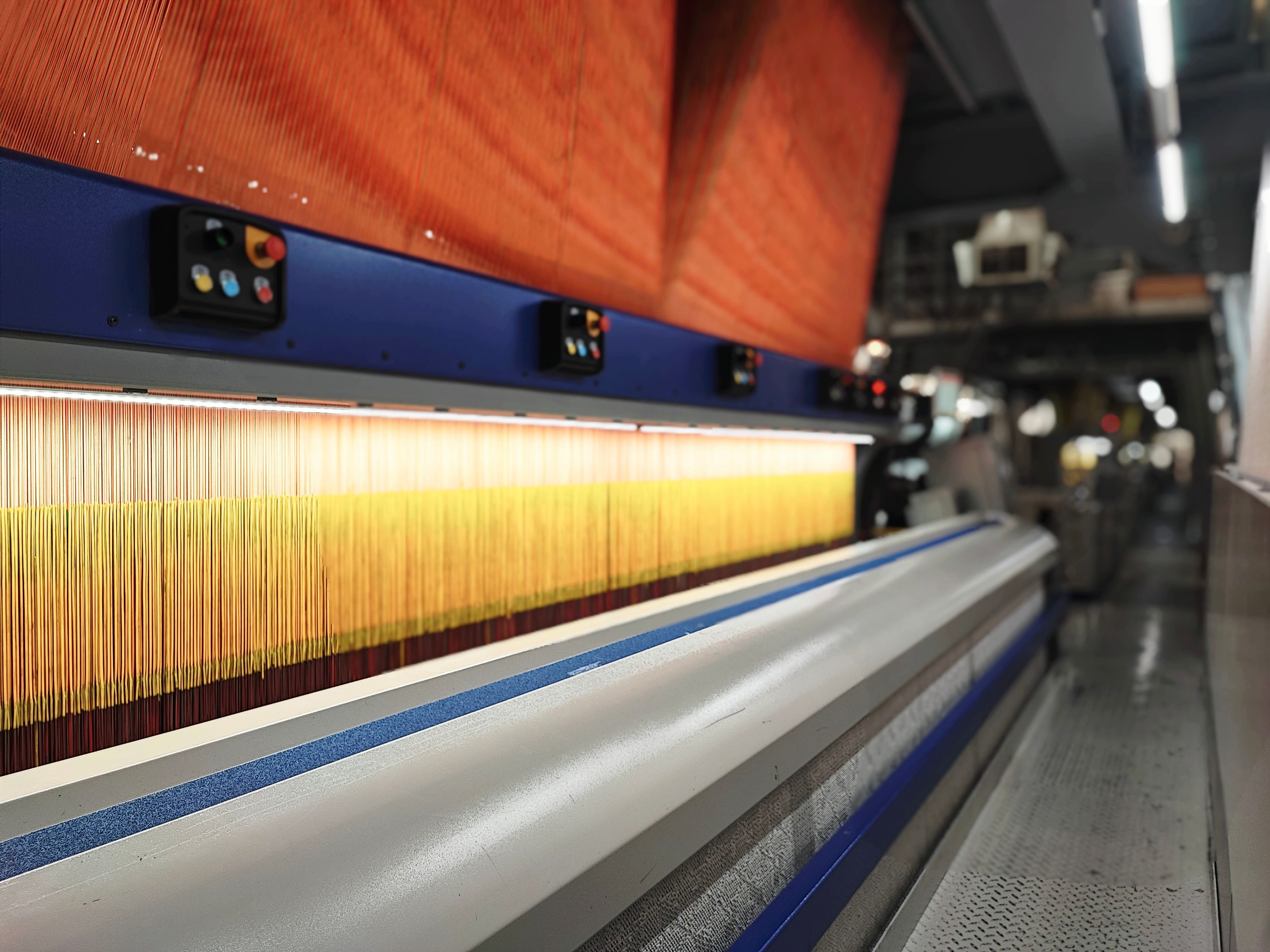
Benefits of Advanced Garment Machinery
The implementation of modern machinery has brought numerous benefits to the textile industry in Ho Chi Minh City. Here are some of the most notable advantages:
- Increased Productivity: Automation has significantly boosted production speeds, allowing manufacturers to meet tight deadlines and high-volume orders with ease.
- Improved Quality: The precision of computerized machines ensures consistent product quality, reducing the likelihood of defects and returns.
- Cost Efficiency: Reduced labor requirements have translated into lower production costs, enhancing the competitiveness of local manufacturers in the global market.
Impact on the Workforce
While the introduction of new machinery has raised concerns about job displacement, it has also created opportunities for workforce upskilling. Many workers have transitioned to roles that require technical expertise, such as machine operation and maintenance.
Training programs have been implemented to equip workers with the necessary skills to excel in this evolving industry. This shift has not only preserved jobs but also enhanced the overall skill level of the workforce.

Future Prospects
The successful implementation of garment machinery in Ho Chi Minh City sets a precedent for other regions looking to modernize their textile industries. As technology continues to advance, manufacturers must remain adaptable and open to further innovations.
Looking ahead, the focus will likely be on integrating smart technologies, such as IoT and AI, to further optimize production processes and enhance supply chain management. This ongoing evolution promises to sustain the growth and competitiveness of the textile industry in Ho Chi Minh City.
Conclusion
The case study of garment machinery implementation in Ho Chi Minh City demonstrates the transformative power of technology in traditional industries. By embracing advanced machinery, the local textile industry has not only overcome existing challenges but also positioned itself for future success.
This journey serves as an inspiring example of how innovation can drive economic growth and improve the livelihoods of workers in the rapidly changing landscape of global manufacturing.