
Common Misconceptions About Garment Machinery: What You Need to Know


Understanding Garment Machinery
Garment machinery is a crucial part of the textile industry, yet there are many common misconceptions surrounding its use and functionality. These misunderstandings can lead to misinformed decisions, affecting production efficiency and quality. Let's explore some of these myths and provide clarity for those involved in the garment industry.
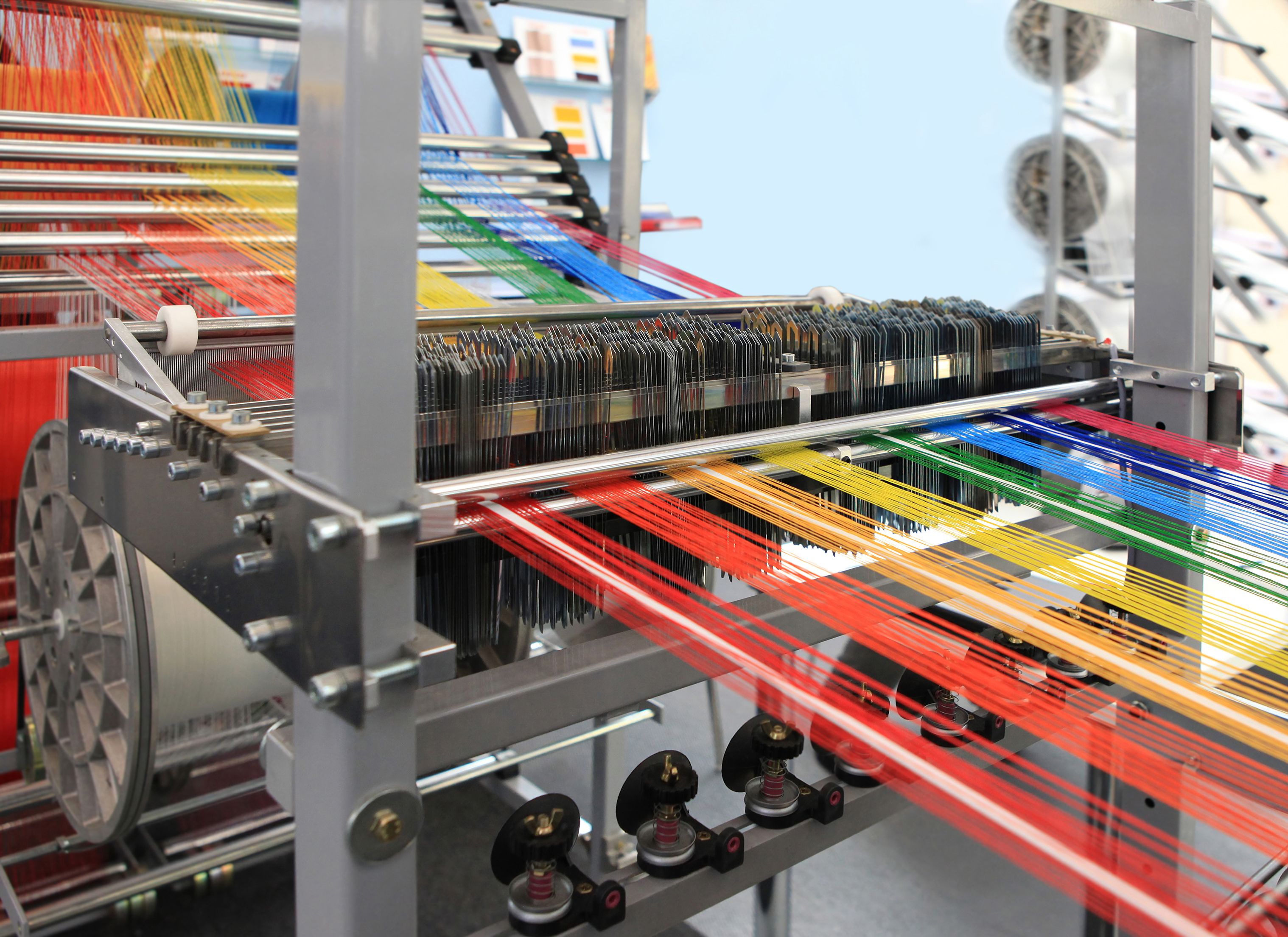
Misconception 1: All Machines Are the Same
One prevalent myth is that all garment machines are identical and interchangeable. In reality, each machine serves a specific purpose and is designed for particular tasks. From sewing machines to embroidery machines, each type has unique features and capabilities. Understanding these differences is essential for optimizing production processes.
Misconception 2: Advanced Machines Are Too Complex
Some believe that advanced garment machinery is too complex and challenging to operate. While modern machines come equipped with sophisticated technology, they are often user-friendly. Manufacturers strive to make machines more accessible, with intuitive interfaces and comprehensive training programs.
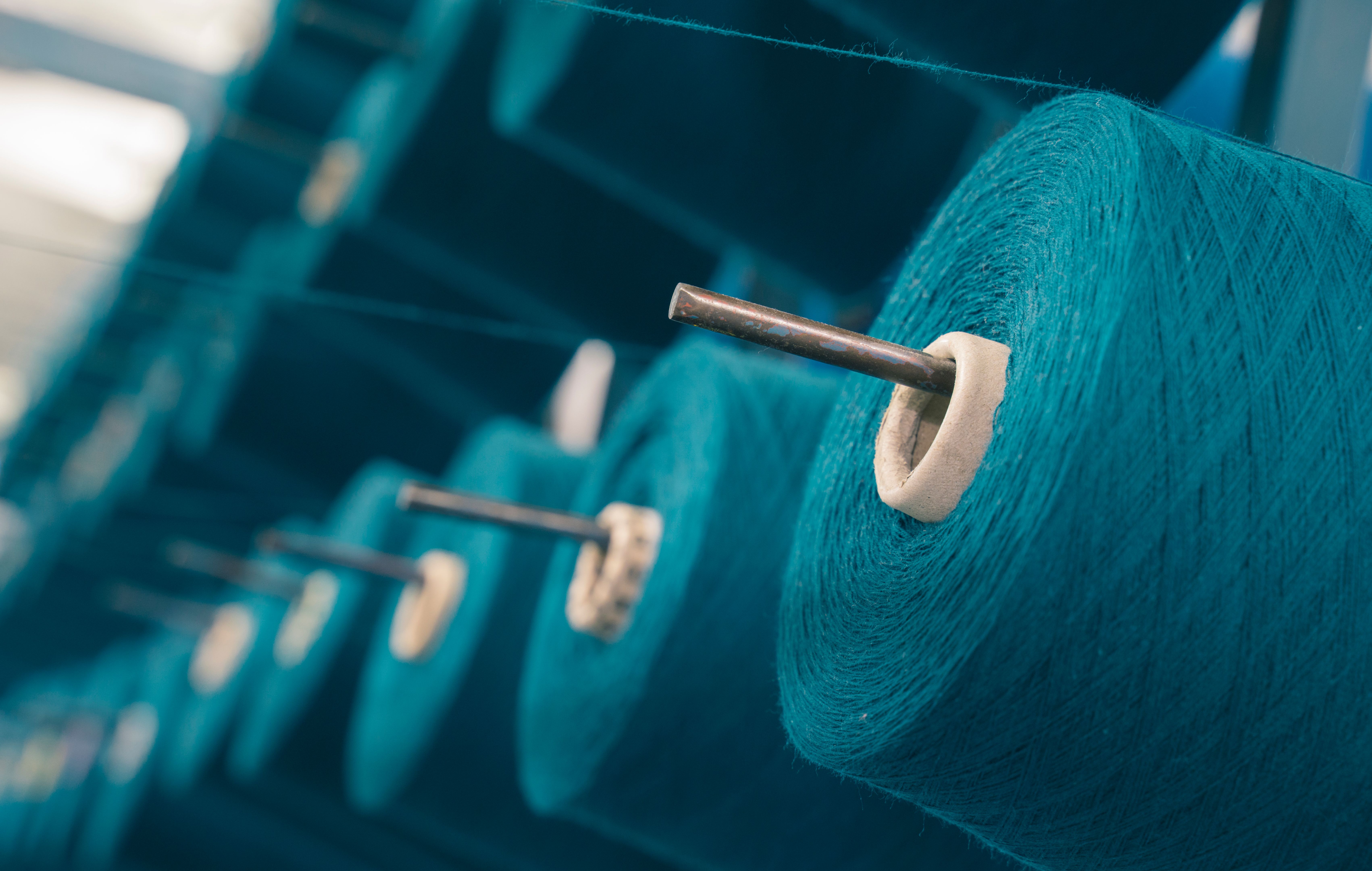
Misconception 3: Maintenance Is Only Necessary When Problems Arise
Another common misconception is that maintenance should only be performed when a machine malfunctions. Regular maintenance is crucial to prevent breakdowns and extend the lifespan of machinery. Scheduled check-ups and routine servicing can save time and money in the long run.
The Importance of Training
Proper training is often underestimated in garment manufacturing. Many assume that operating machinery requires minimal skill. However, adequate training ensures efficient use and safety, reducing the risk of accidents and improving production quality. Employers should invest in continuous training programs for their staff.

Misconception 4: Automatic Machines Eliminate the Need for Skilled Labor
With the rise of automation, some believe that skilled labor is no longer necessary. Although automated machines enhance productivity, they still require skilled operators to manage and troubleshoot. Skilled workers play a vital role in maintaining the quality and efficiency of production.
Misconception 5: Newer Always Means Better
Many assume that newer machines are always better than older models. While new machines offer advanced features, they may not always be the best fit for every production line. Evaluating the specific needs of a business and the compatibility of machinery with existing systems is important before making an investment.
Conclusion
Understanding the realities of garment machinery can lead to more informed decisions and a more efficient production process. By dispelling these misconceptions, businesses can enhance productivity, maintain high-quality standards, and ensure the longevity of their machinery. Continuous education and awareness are key to thriving in the ever-evolving textile industry.