
Common Misconceptions About Garment Machinery: What You Need to Know


Understanding Garment Machinery
Garment machinery is an essential component of the textile and fashion industries, yet there are many misconceptions about how these machines operate and their capabilities. Understanding these machines can be crucial for businesses aiming to optimize production and maintain quality.

Misconception 1: All Machines Are the Same
One common misconception is that all garment machines perform the same function. In reality, there are various machines designed for specific tasks such as cutting, sewing, and finishing. Each type of machinery is tailored to perform unique operations, crucial for specific stages of garment production.
For instance, overlock machines are specifically used for hemming and seaming, while lockstitch machines are ideal for creating strong, straight stitches. Choosing the right machine for the task can significantly impact the efficiency and quality of the final product.
Misconception 2: Automated Machines Require No Supervision
Another misunderstanding is that automated garment machines can function without human oversight. While automation has advanced significantly, these machines still require skilled operators to manage settings, perform maintenance, and troubleshoot issues.
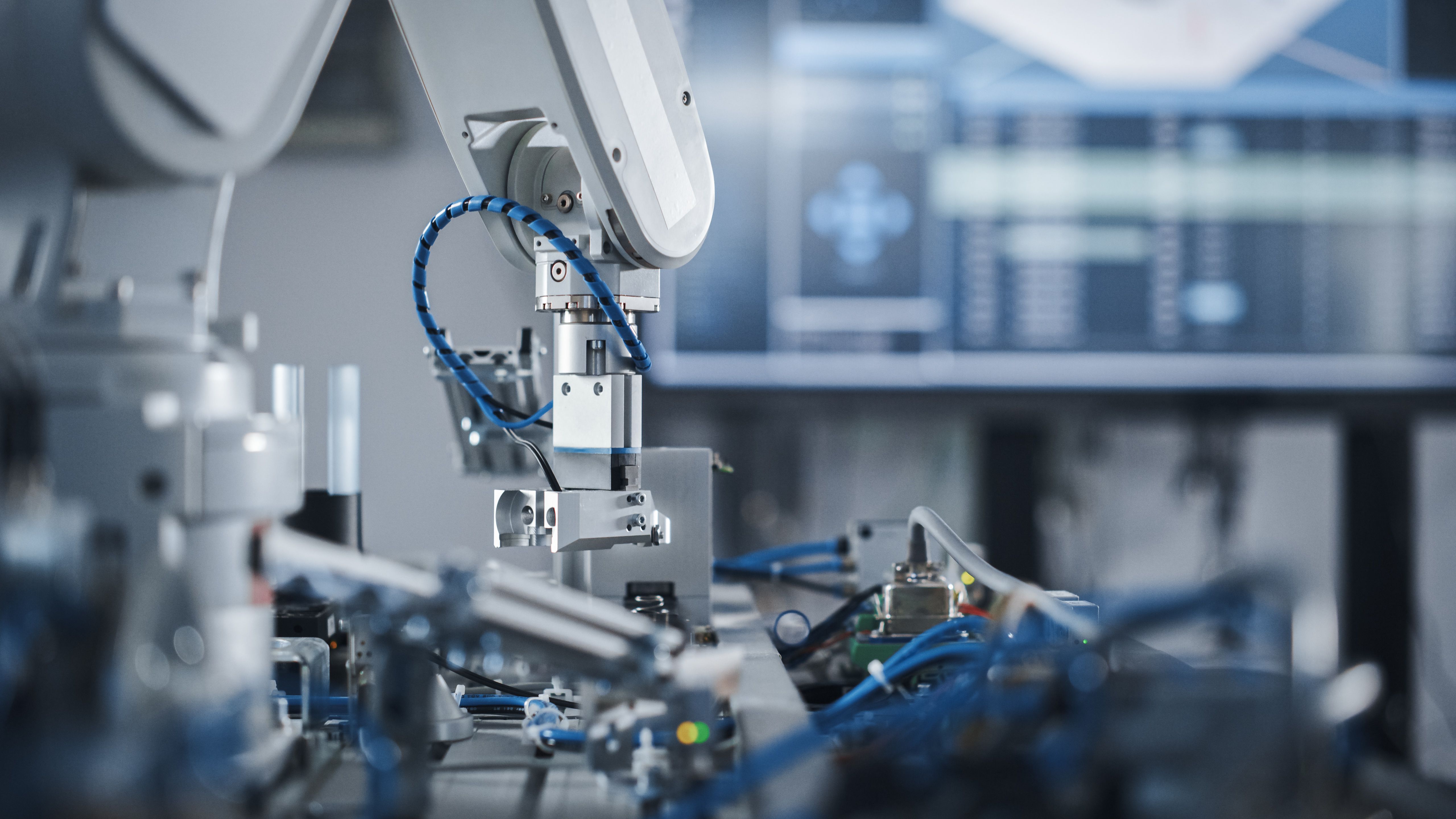
Proper training and supervision ensure that machines operate at optimal levels, reducing the risk of errors and increasing the lifespan of the equipment. Skilled operators also play a vital role in maintaining product quality and consistency.
Misconception 3: Investment in Machinery is Not Cost-Effective
Some businesses might believe that investing in high-quality garment machinery is not cost-effective. However, this is a short-sighted view. While the initial investment may be substantial, the long-term benefits include increased productivity, reduced labor costs, and improved quality control.
Investing in modern machinery can also enhance a company's competitive edge by enabling faster production times and the ability to meet large orders efficiently.

Conclusion
Understanding the true capabilities and requirements of garment machinery can dispel common misconceptions and help businesses make informed decisions. By recognizing the specific functions of different machines, ensuring proper supervision, and appreciating the long-term benefits of investment, companies can optimize their operations and achieve greater success in the textile industry.
Stay informed and invest in training and technology to harness the full potential of garment machinery. This approach will help in maintaining quality, increasing efficiency, and ultimately satisfying customer demands.