
Debunking Common Myths About Garment Machinery in the Textile Industry


Understanding Garment Machinery
Garment machinery plays a crucial role in the textile industry, yet many misconceptions surround its use. From concerns about efficiency to misunderstandings about technological advancements, these myths can often hinder progress and innovation. In this post, we'll explore and debunk some of the most common myths about garment machinery.
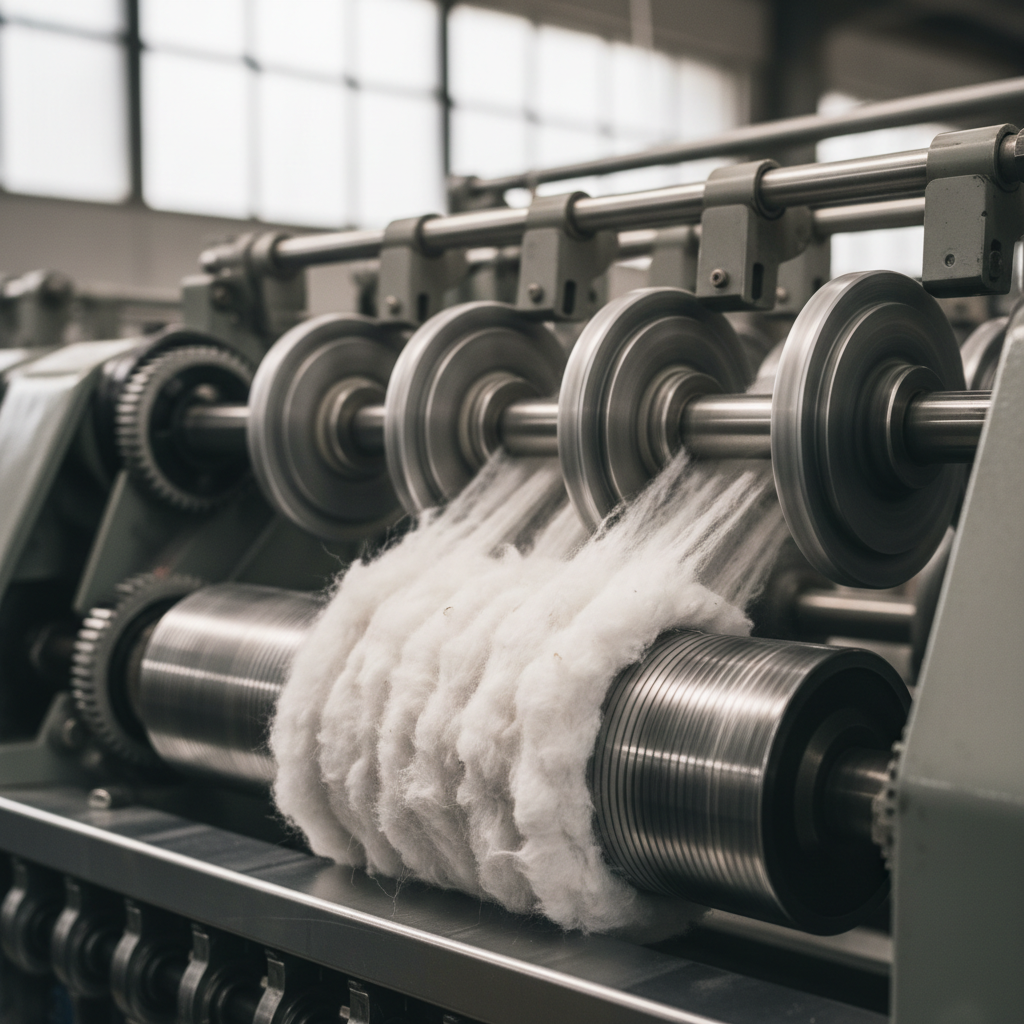
Myth 1: Garment Machinery is Outdated
One of the most pervasive myths is that garment machinery is outdated and unable to meet modern demands. This misconception likely stems from the traditional image of textile factories. However, contemporary garment machinery is anything but obsolete. With advancements in technology, today's machines are equipped with sophisticated features that enhance productivity and quality.
Modern garment machines are often integrated with digital technology, allowing for automated processes and precision production. These innovations enable manufacturers to produce garments faster and with greater accuracy than ever before.
Myth 2: Automation Leads to Job Loss
Another common concern is that automation in garment machinery leads to job loss. While automation can change the nature of work, it doesn't necessarily eliminate jobs. Instead, it often creates opportunities for workers to engage in more skilled and less repetitive tasks.
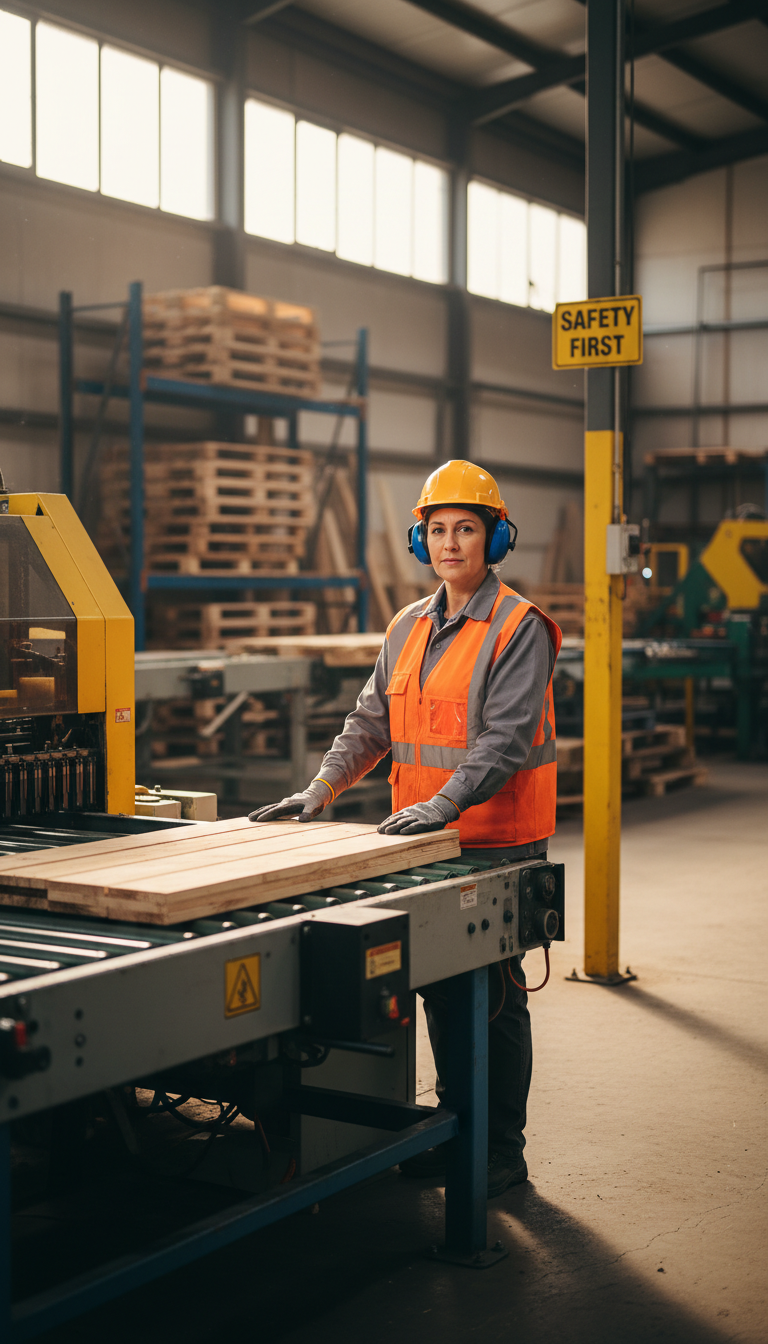
Automation can improve efficiency and reduce the burden of manual labor. Workers can focus on areas such as quality control, machine maintenance, and design, leading to a more dynamic and skilled workforce.
Myth 3: Only Large Factories Benefit from Advanced Machinery
It's often assumed that only large factories can afford and benefit from advanced garment machinery. In reality, technology has made these machines more accessible to smaller businesses. Many manufacturers offer scalable solutions that cater to different production needs and budget constraints.
Small and medium-sized enterprises can leverage these advancements to compete with larger players by improving their efficiency and product quality. This democratization of technology fosters innovation across the industry.

Myth 4: Garment Machinery Compromises Quality
Some believe that using machinery in garment production compromises the quality of the final product. However, this is far from the truth. Modern machinery is designed to enhance quality, not detract from it. Precision engineering and control systems ensure consistent and high-quality outputs.
- Automated stitching machines provide uniformity.
- Advanced cutting machines ensure precision.
- Quality control technology detects and corrects defects.
Myth 5: Maintenance is Too Complex and Costly
Finally, there is a belief that maintaining garment machinery is overly complex and costly. While maintenance is essential, many modern machines are designed with user-friendly interfaces and diagnostic tools that simplify the process. Regular maintenance ensures longevity and efficiency, providing a return on investment.
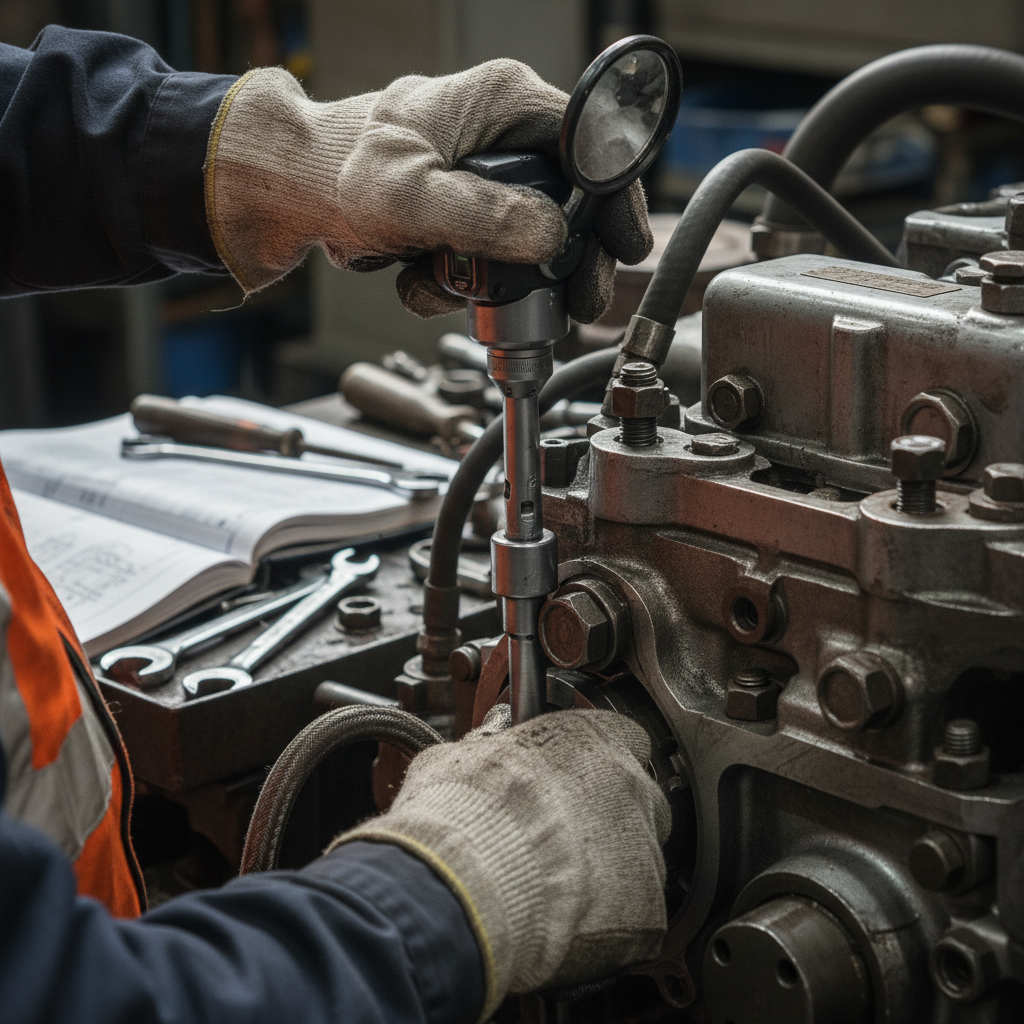
Scheduled maintenance plans and training programs can further alleviate concerns, ensuring that machinery remains in optimal working condition without excessive costs.