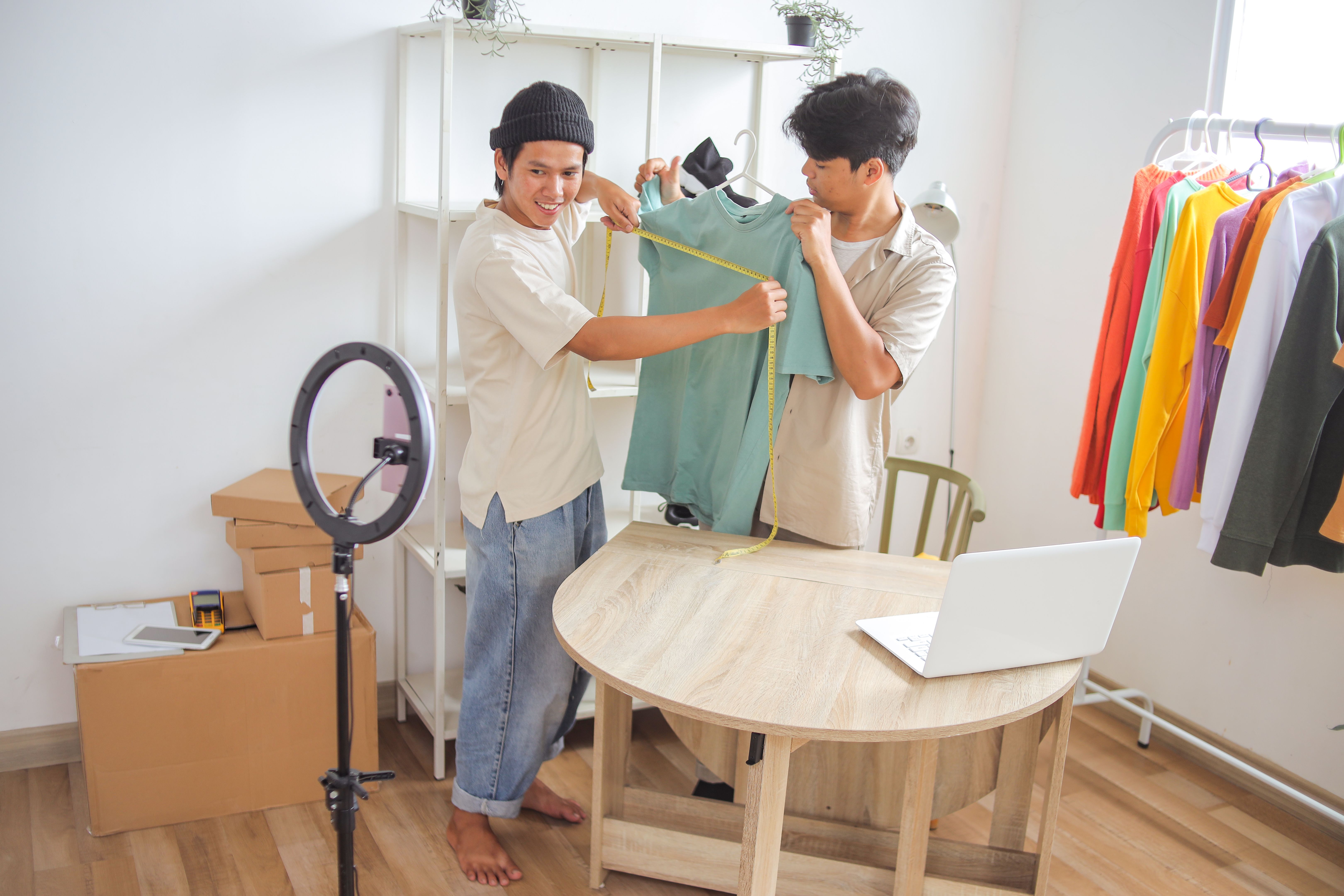
DIY Tips for Maintaining Your Garment Machinery


Regular Cleaning
One of the most crucial aspects of maintaining garment machinery is regular cleaning. Dust and lint can accumulate in various parts of the machine, leading to inefficiencies and even damage over time. Make it a habit to clean your machines daily to ensure they operate smoothly.
Use a soft brush and compressed air to remove debris from hard-to-reach areas. Pay special attention to moving parts, as these are more susceptible to wear and tear due to debris buildup.
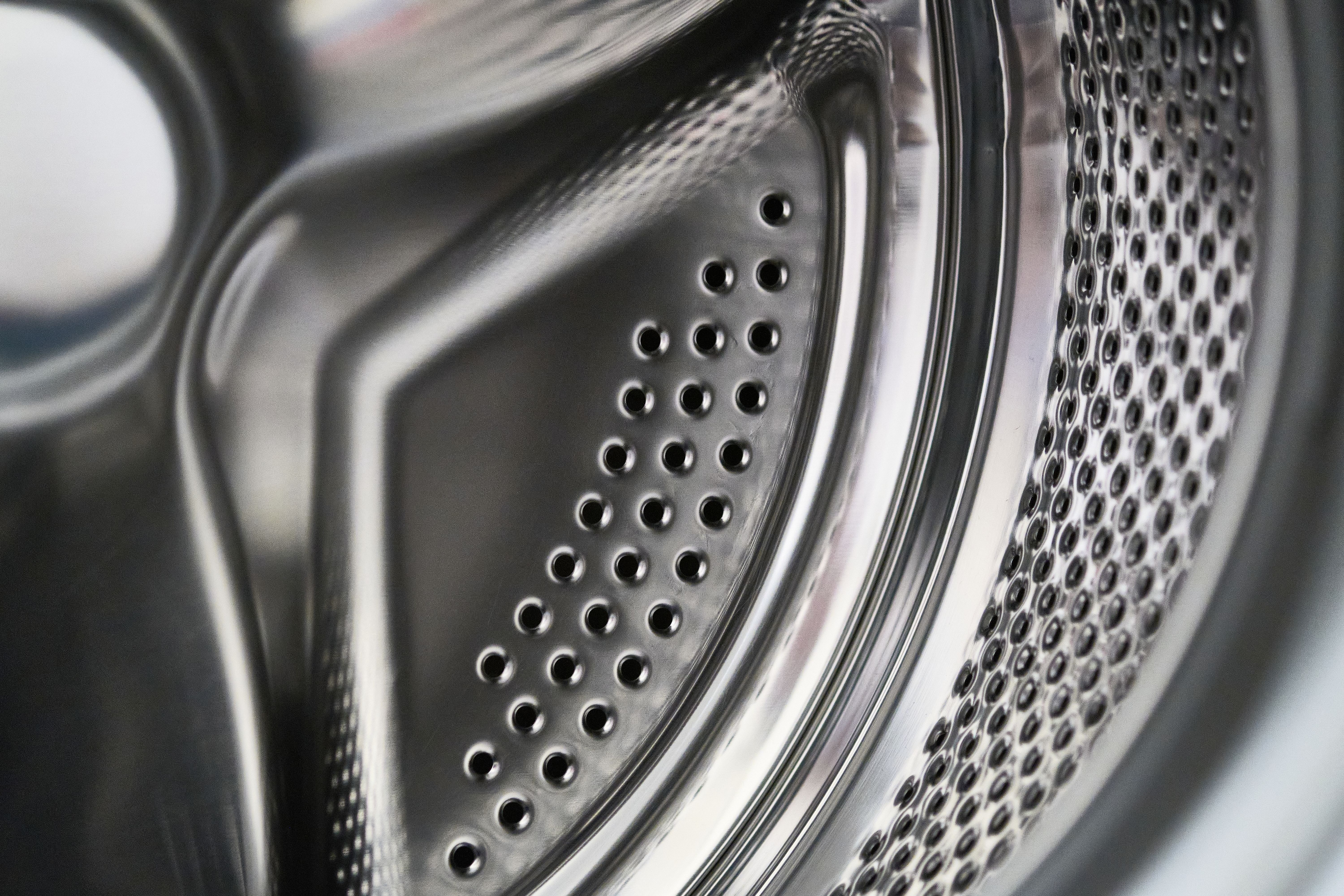
Lubrication
Proper lubrication is essential for reducing friction and preventing wear on moving components. Consult your machine's manual to determine the appropriate type and frequency of lubrication required.
Generally, you should apply lubrication to all moving parts, including gears and bearings, at least once a week. Always use the recommended lubricant to avoid any damage to the machine.
Inspection for Wear and Tear
Regular inspections can help identify potential issues before they become major problems. Check belts, gears, and other critical components for signs of wear or damage. Replace any worn parts immediately to avoid further complications.
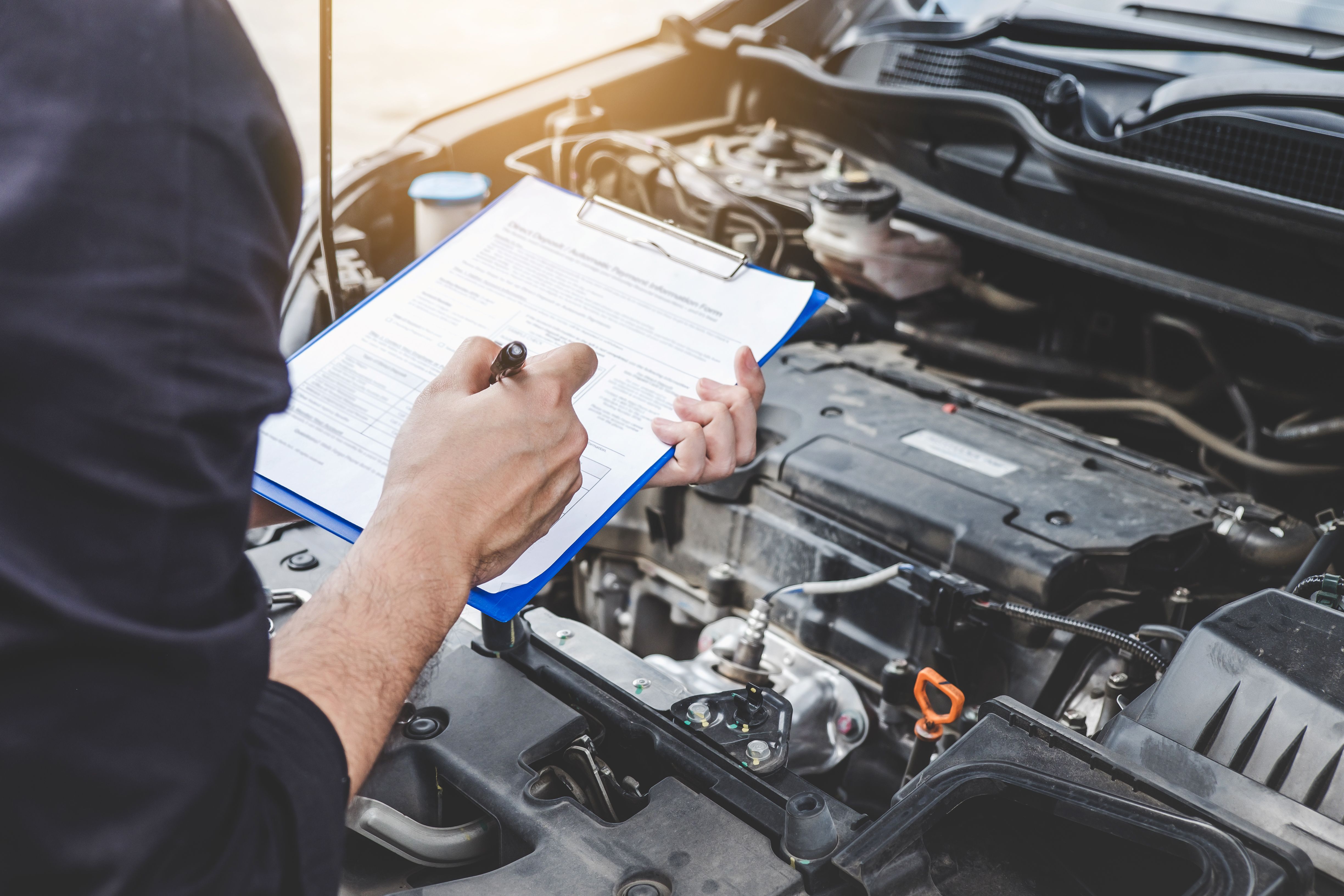
Check Electrical Components
Ensure all electrical connections are secure and inspect wiring for any signs of fraying or damage. Faulty electrical components can lead to machine malfunctions and pose safety hazards.
Calibration and Adjustment
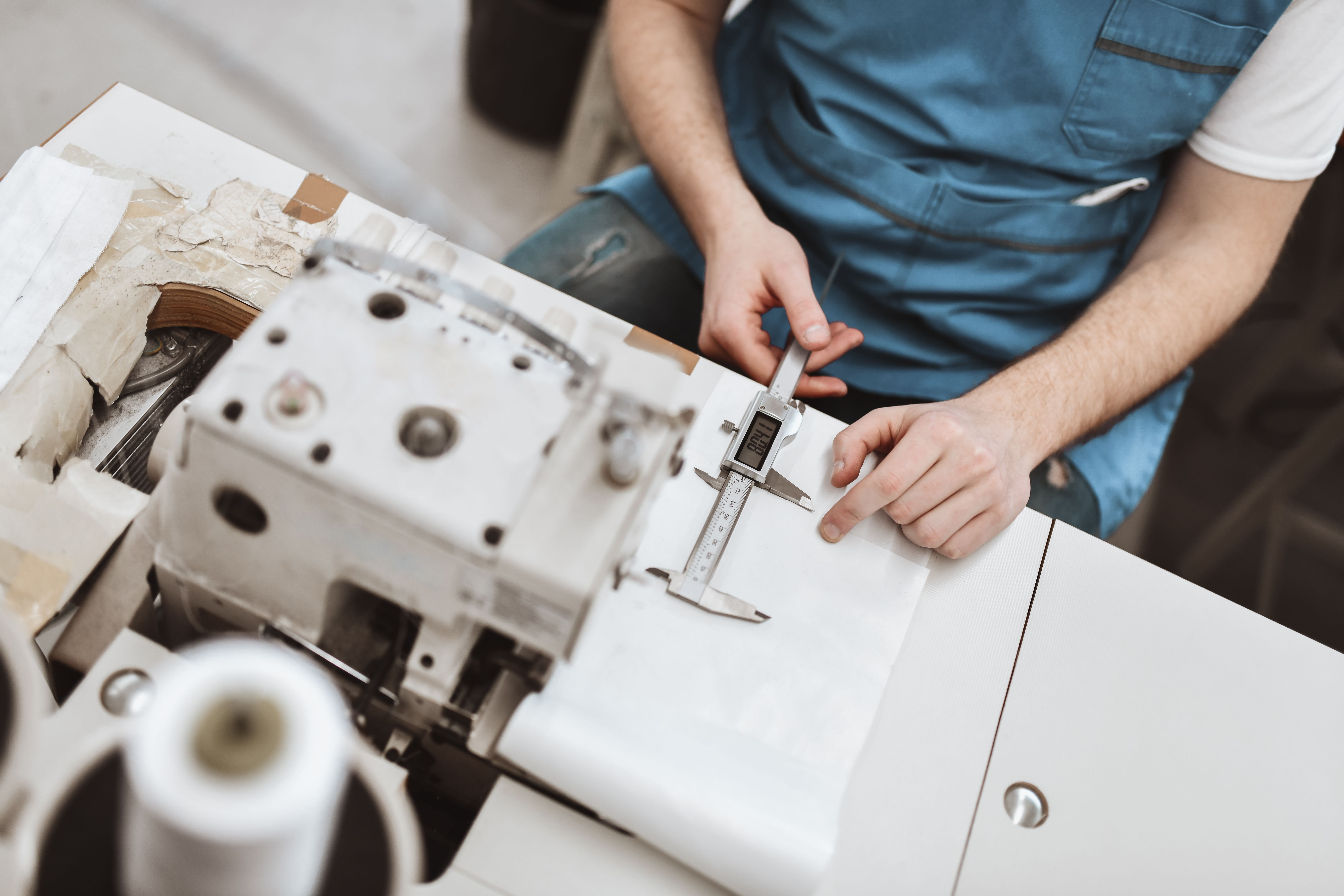
Over time, machines may drift out of alignment, which can affect performance and product quality. Regularly calibrate and adjust your garment machinery according to the manufacturer's specifications.
This process might involve aligning needles, adjusting tension settings, and ensuring all components are correctly positioned. Proper calibration helps maintain consistency in your garment production.
Training and Documentation
Ensure all operators are trained in proper machine use and maintenance. Well-informed staff can spot potential issues and address them before they escalate. Provide comprehensive training sessions and refresher courses periodically.
Keep detailed records of all maintenance activities. Documenting repairs, replacements, and routine checks can help identify patterns and predict future maintenance needs, ultimately saving time and resources.
Conclusion
By following these DIY maintenance tips, you can significantly extend the lifespan of your garment machinery and ensure efficient operation. Regular cleaning, lubrication, inspections, and proper training are essential components of a successful maintenance routine.
Investing time in these practices not only enhances the performance of your machines but also contributes to the overall success of your garment production business.