
Expert Insights: Trends Shaping the Future of Garment Machinery


Introduction
The garment machinery industry is evolving at a rapid pace, driven by technological innovations and changing consumer demands. As we look to the future, several key trends are shaping how garment machinery is designed, operated, and integrated into production lines. These trends promise to enhance efficiency, reduce waste, and meet the needs of an increasingly eco-conscious market.

Automation and Robotics
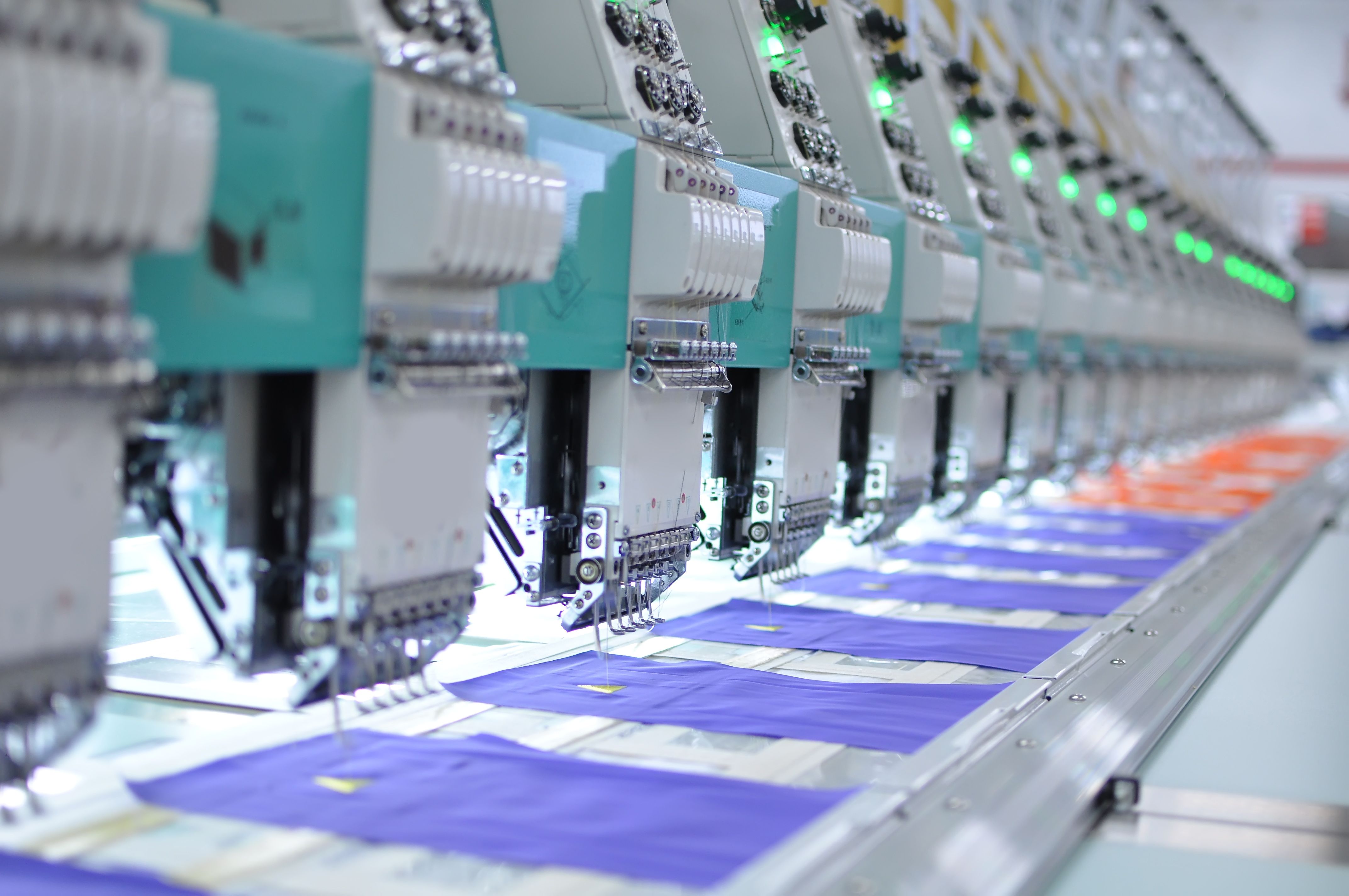
One of the most significant trends in garment machinery is the increasing use of automation and robotics. Automated systems are now capable of performing intricate tasks with precision and speed, reducing the reliance on manual labor. This shift not only enhances production efficiency but also ensures consistent quality in garment manufacturing.
Robotic arms and sewing machines equipped with sensors and AI are revolutionizing how garments are assembled. These technologies allow manufacturers to scale up production without compromising on quality, making them indispensable in the modern garment industry.
Sustainability and Eco-Friendly Practices
As environmental concerns rise, there is a growing emphasis on sustainability within the garment machinery sector. Manufacturers are seeking ways to minimize waste and reduce the carbon footprint of their operations. This has led to the development of machines that use less water and energy, while also optimizing fabric usage.
Innovations such as digital printing and laser cutting are enabling more sustainable practices by minimizing waste and allowing for on-demand production. These technologies are crucial for meeting the expectations of eco-conscious consumers and aligning with global sustainability goals.

Smart Technology Integration
The integration of smart technology in garment machinery is another trend that is gaining momentum. Machines equipped with IoT sensors and advanced data analytics capabilities are providing manufacturers with real-time insights into their operations. This data-driven approach allows for predictive maintenance, reducing downtime and enhancing efficiency.
Moreover, smart technologies enable better inventory management and supply chain optimization, ensuring that manufacturers can respond swiftly to market demands. The ability to track production processes and monitor machine performance remotely is transforming how garment businesses operate.

Customization and On-Demand Production
Consumer demand for personalized products is driving the trend towards customization in garment production. Machinery that supports on-demand production is becoming increasingly important, allowing manufacturers to create custom garments quickly and efficiently.
This trend is supported by advancements in digital technologies, such as 3D printing and advanced knitting machines, which enable the production of unique designs without the need for extensive retooling. As a result, manufacturers can offer a wider range of products tailored to individual preferences.

Conclusion
The future of garment machinery is being shaped by these significant trends, each contributing to a more efficient, sustainable, and responsive industry. As these technologies continue to develop, they will play a crucial role in meeting the evolving demands of consumers and the challenges of the global market. Staying ahead of these trends will be vital for manufacturers looking to remain competitive and innovative in the years to come.