
Expert Tips for Optimizing Garment Machinery Efficiency


Understanding the Basics of Garment Machinery
Garment machinery plays a crucial role in the textile industry, ensuring high-quality production and efficiency. Understanding the basics of these machines is the first step towards optimizing their performance. Whether you are dealing with sewing machines, cutting machines, or embroidery equipment, each has unique characteristics that need to be understood and maintained.
Regular Maintenance is Key
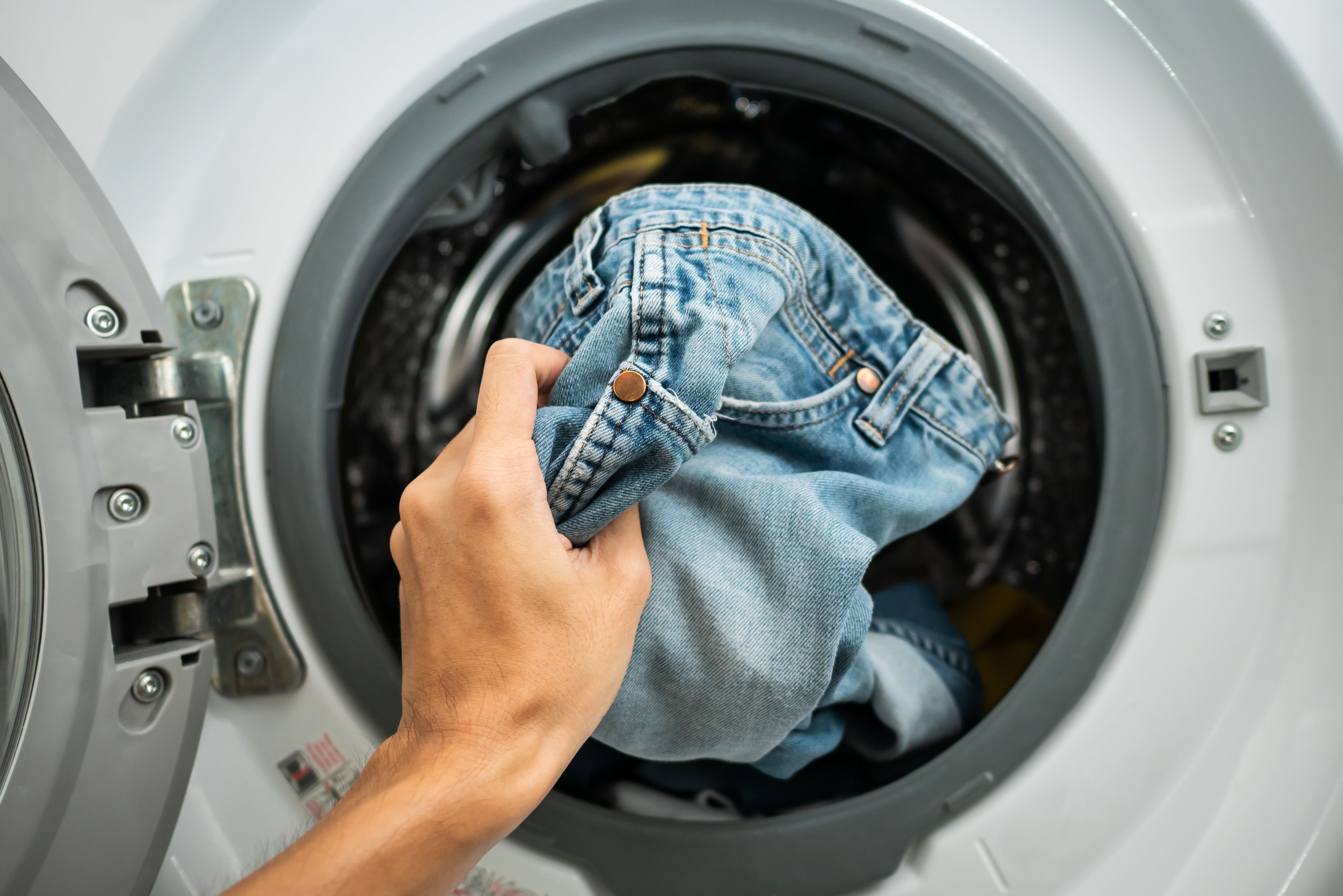
One of the most effective ways to optimize garment machinery efficiency is through regular maintenance. Scheduling routine checks can prevent unexpected breakdowns and extend the lifespan of your equipment. Pay attention to lubrication, cleaning, and replacement of worn-out parts. This practice not only enhances performance but also ensures safety for operators.
Training Your Workforce
Investing in the proper training of your workforce is essential. Skilled operators can detect potential issues early and adapt to the latest technologies more effectively. Providing ongoing training sessions keeps your team informed about best practices and new advancements in garment machinery.

Implementing Advanced Technology
Incorporating advanced technology into your garment production line can significantly boost efficiency. Automated systems, smart sensors, and AI-driven machinery are transforming the industry by minimizing errors and reducing manual labor. Consider upgrading your equipment to keep up with technological advancements.
Streamlining Production Processes
Streamlining your production processes can lead to significant improvements in efficiency. Analyze each step of your production line to identify bottlenecks and areas for improvement. Implementing lean manufacturing principles can help in reducing waste, optimizing workflow, and enhancing productivity.
Monitoring and Analytics
Using monitoring and analytics tools allows you to track the performance of your machinery in real-time. These tools provide valuable insights into machine efficiency, downtime, and other key metrics. By analyzing this data, you can make informed decisions to enhance overall performance and address issues promptly.
Focusing on Quality Control
Quality control is an integral part of optimizing garment machinery efficiency. Ensure that there are strict quality checks at every stage of production. By maintaining high standards, you not only improve the quality of the output but also reduce rework and waste, which contributes to overall efficiency.

Energy Efficiency Practices
Adopting energy-efficient practices can lead to cost savings and environmental benefits. Ensure that your machinery is energy efficient and explore options for renewable energy sources. Implementing energy-saving practices such as turning off machines when not in use can significantly reduce energy consumption.
Conclusion
Optimizing garment machinery efficiency is a multifaceted process that involves regular maintenance, workforce training, technological upgrades, and continuous monitoring. By focusing on these areas, you can achieve better performance, higher quality products, and a more sustainable production process.