
How Garment Machinery is Transforming the Textile Industry in Ho Chi Minh City


Introduction to Garment Machinery Evolution
The textile industry in Ho Chi Minh City is experiencing a remarkable transformation, driven largely by advancements in garment machinery. As the city positions itself as a key player in the global textile market, the integration of cutting-edge technology is proving to be a game-changer. This evolution is not only enhancing productivity but also setting new standards for quality and efficiency.

Boosting Efficiency and Productivity
Modern garment machinery is revolutionizing how textile manufacturers operate. Automated machines have significantly reduced the time required to produce garments, allowing manufacturers to meet growing demand with ease. This boost in efficiency is crucial for maintaining competitive advantage in a rapidly evolving market.
By minimizing manual intervention, these machines help reduce human error, ensuring consistent quality in every piece produced. This consistency is vital for brands looking to maintain their reputation for excellence.
Technological Innovations Driving Change
Recent technological innovations are at the forefront of this transformation. Machines equipped with artificial intelligence and machine learning capabilities are enabling predictive maintenance, reducing downtime, and extending the lifespan of equipment. These advancements are making the textile industry in Ho Chi Minh City more sustainable and profitable.

3D Knitting and Customization
The introduction of 3D knitting machines is another exciting development. These machines allow for the creation of complex designs and patterns with remarkable precision. They also support customization, catering to the increasing demand for personalized garments.
Customization has become a significant trend, with consumers seeking unique and tailored clothing options. Garment machinery capable of producing custom designs efficiently is a major asset to manufacturers aiming to capitalize on this trend.
Environmental Impact and Sustainability
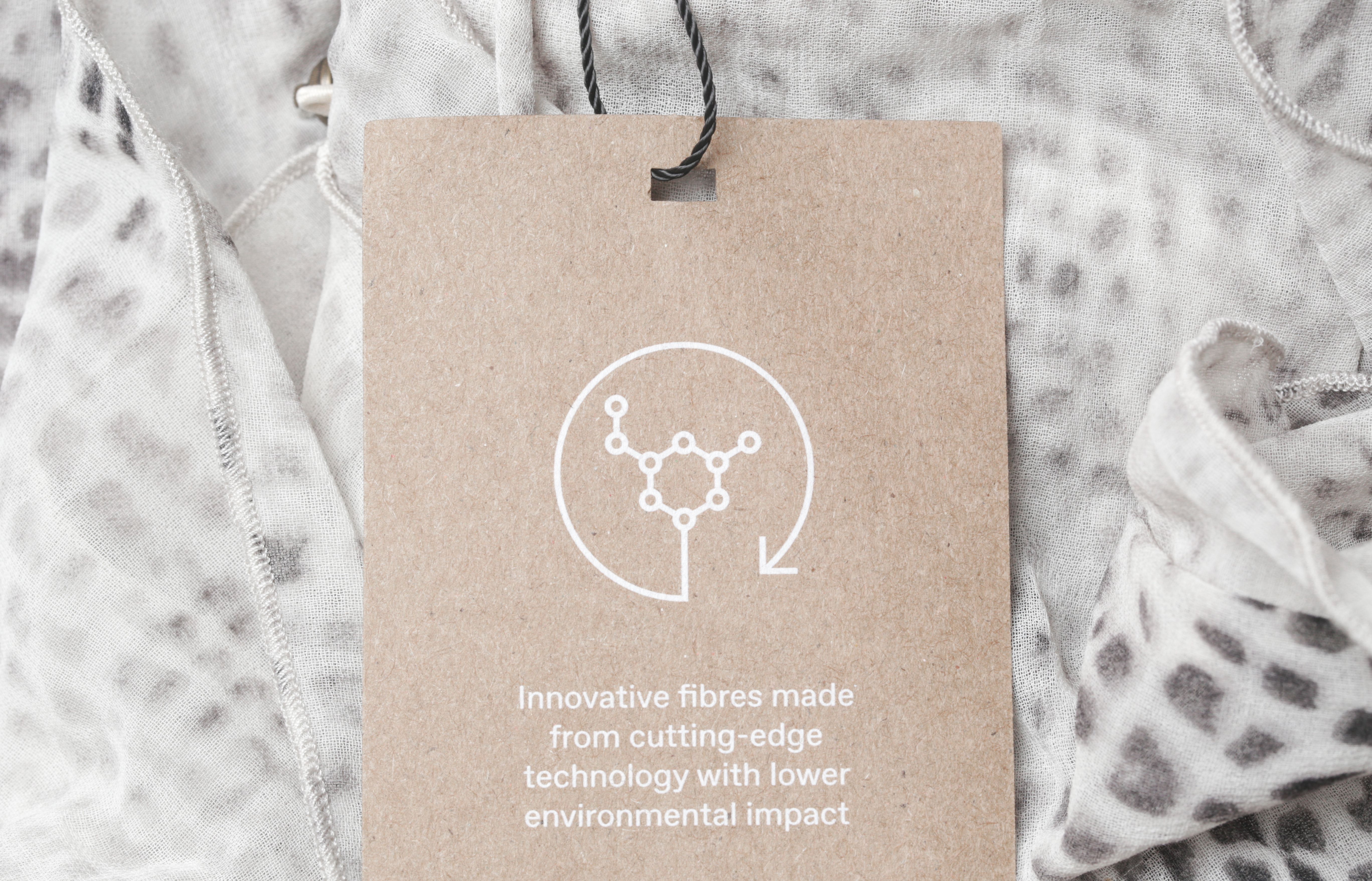
The integration of advanced machinery is also contributing to more sustainable practices. New machines are designed to be energy-efficient, reducing the carbon footprint of textile production. Furthermore, they often incorporate technologies that minimize waste and optimize resource usage.
Water and Energy Conservation
Water and energy conservation are critical in the textile industry, traditionally known for its high resource consumption. Modern garment machinery includes features that significantly cut down on water and energy use, aligning with global sustainability goals and appealing to environmentally conscious consumers.
Conclusion: A Bright Future for Ho Chi Minh City's Textile Industry
In conclusion, the adoption of advanced garment machinery is transforming the textile industry in Ho Chi Minh City, paving the way for a future of innovation, efficiency, and sustainability. As manufacturers continue to embrace these technologies, the city is well-positioned to become a leader in the global textile market.
By investing in modern machinery, businesses not only enhance their operational capabilities but also contribute to a more sustainable and prosperous industry. This transformation is a testament to the power of technology in shaping the future of textiles.