
How to Optimize Garment Machinery for Maximum Efficiency


Understanding Your Machinery
Optimizing garment machinery begins with understanding the specific needs and capabilities of each machine. Different machines serve different purposes, such as cutting, sewing, or finishing. Knowing the exact function and limitations of each piece of equipment is crucial for maximizing efficiency.
Start by consulting the user manuals and manufacturer guidelines. These resources provide valuable insights into the optimal operation and maintenance of the machinery. Regular training sessions for employees can also ensure everyone is up-to-date with the best practices.
Regular Maintenance and Inspections
Consistent maintenance is key to keeping garment machinery running smoothly. Establish a regular schedule for inspections to identify potential issues before they become major problems. This includes checking for wear and tear, ensuring all parts are lubricated, and verifying that systems are functioning correctly.
Replace worn-out components promptly to prevent disruptions. Additionally, maintaining a clean working environment can significantly reduce the risk of malfunctions and extend the lifespan of your machinery.
Investing in Technology
Integrating advanced technology into your garment machinery can enhance productivity. Consider upgrading to machines equipped with smart sensors and automated controls. These technologies provide real-time data and diagnostics, allowing for quicker adjustments and more informed decision-making.
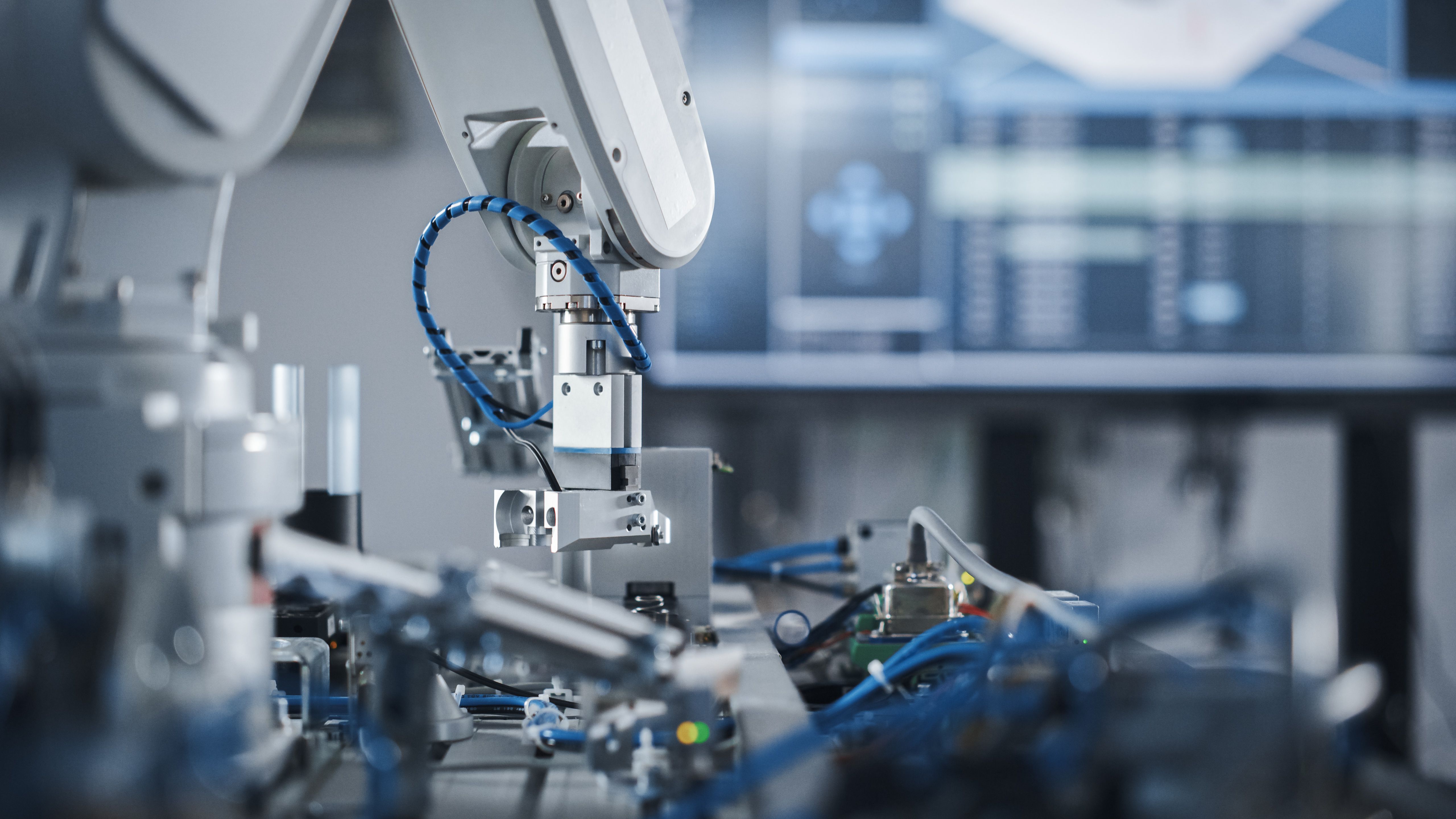
Automation can also reduce human error and increase precision in operations. Evaluate the latest technological trends in the garment industry to stay competitive and efficient.
Streamlining Workflow
Optimizing the workflow around your machinery is just as important as the machinery itself. Arrange machines logically to minimize the movement of materials and reduce bottlenecks. This can significantly cut down on wasted time and effort.
- Design the layout for easy access and movement.
- Group related machines together.
- Ensure sufficient space for operators to work comfortably.
Training and Skill Development
Even the most advanced machinery requires skilled operators. Invest in continuous training and development programs to keep your team sharp and informed about the latest techniques and technologies.
Encourage cross-training to build a flexible workforce capable of adapting to different roles and responsibilities as needed. A knowledgeable team can identify inefficiencies and suggest improvements, enhancing overall productivity.

Monitoring and Feedback
Finally, establish a system for monitoring performance and gathering feedback. Use key performance indicators (KPIs) to measure efficiency, such as production speed, error rates, and downtime. Regularly review these metrics to identify areas for improvement.
Encourage open communication between management and staff to address issues and implement solutions promptly. By fostering a culture of continuous improvement, your garment operation can achieve maximum efficiency and success.