
How to Optimize Production with the Latest Garment Machinery Technologies


Introduction to Garment Machinery Technologies
The garment industry is undergoing a transformation with the advent of the latest machinery technologies. These advancements are not only enhancing production efficiency but also ensuring superior quality and sustainability. By integrating these technologies, manufacturers can stay ahead in the competitive market.

Automated Cutting Machines
One of the pivotal innovations in garment production is the use of automated cutting machines. These machines offer precision and speed, drastically reducing the time required for cutting fabric. Automation minimizes human error and ensures consistent quality, which is crucial for large-scale production.
Moreover, automated cutting machines can handle a variety of fabrics, including delicate and complex materials, with ease. This flexibility allows manufacturers to diversify their product offerings without compromising on quality.
Benefits of Automated Cutting
- Increased accuracy and precision
- Reduced material waste
- Faster production cycles
Advanced Sewing Technologies
The integration of advanced sewing technologies has revolutionized garment production. Computerized sewing machines now offer customization and intricate detailing, which were previously labor-intensive processes. These machines are equipped with features such as embroidery, pattern stitching, and buttonholing, which enhance the aesthetics of the final product.
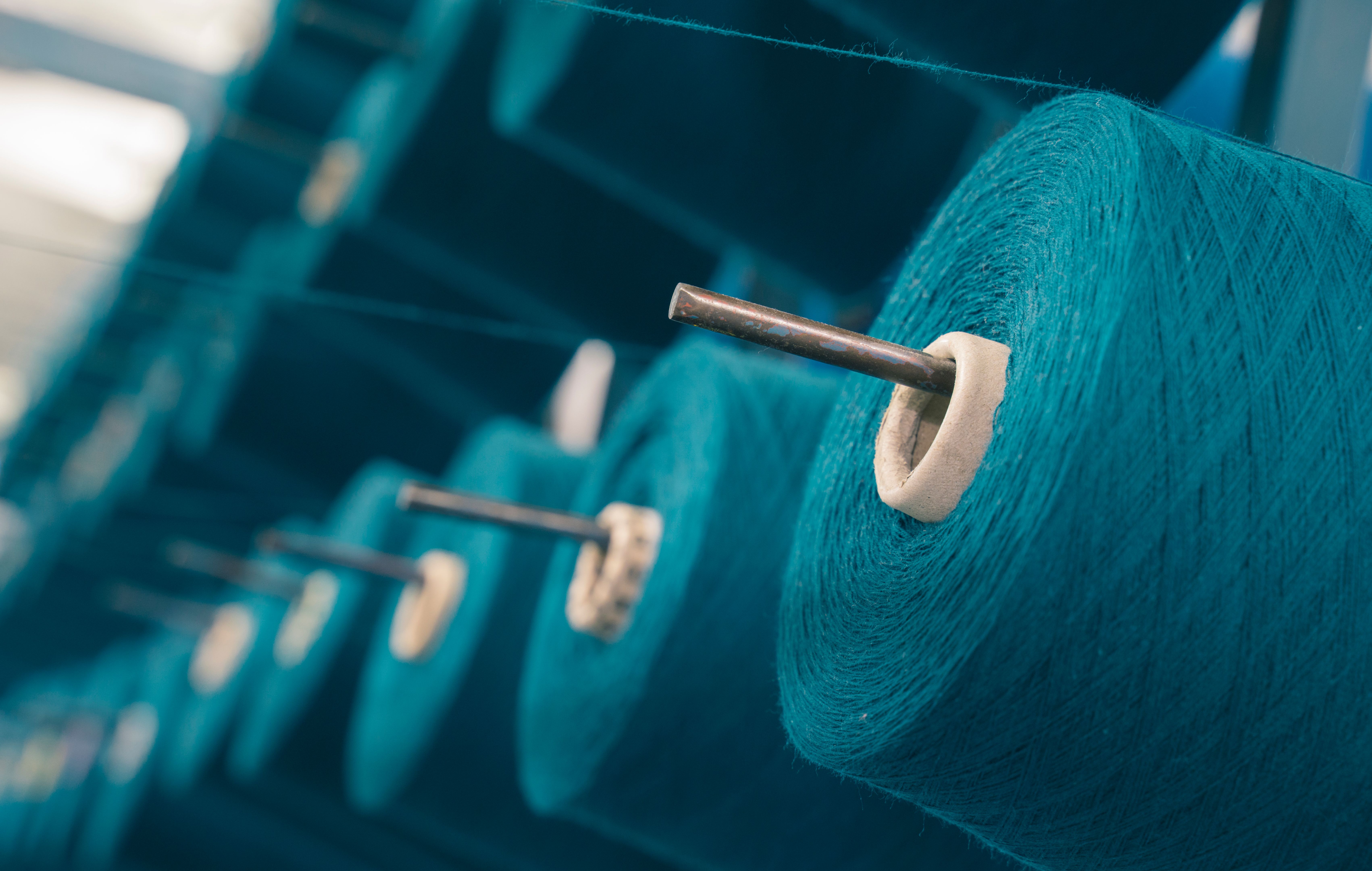
Furthermore, these technologies allow for real-time monitoring and adjustments, ensuring that each garment meets the desired specifications. This adaptability is invaluable in maintaining quality standards and meeting customer expectations.
3D Knitting Machines
3D knitting machines are another breakthrough in garment production. These machines create seamless garments by knitting them in a single operation, eliminating the need for cut-and-sew processes. The result is a reduction in production time and material waste.
Additionally, 3D knitting offers endless design possibilities. Manufacturers can experiment with different textures, patterns, and fits, providing unique products that cater to diverse consumer preferences.
Advantages of 3D Knitting
- Seamless garment creation
- Reduced labor costs
- Enhanced design flexibility
Digital Printing Technologies
The rise of digital printing technologies has transformed garment design. This technology allows for vibrant, high-quality prints that are both durable and eco-friendly. Digital printing is particularly beneficial for small batch production, where traditional printing methods may not be cost-effective.
Furthermore, digital printing supports on-demand production, reducing inventory costs and allowing for rapid adaptation to market trends.
Conclusion
Embracing the latest garment machinery technologies is essential for optimizing production and maintaining a competitive edge. From automated cutting and advanced sewing to 3D knitting and digital printing, these innovations offer a pathway to efficiency, sustainability, and creativity. Manufacturers who invest in these technologies will not only enhance their production capabilities but also deliver superior products to their customers.