
Innovative Trends in Garment Machinery: What to Expect


Revolutionizing the Industry: The Rise of Smart Garment Machinery
In recent years, the garment industry has witnessed a surge in innovative trends, primarily driven by advancements in technology. One of the most significant developments is the integration of smart technology into garment machinery. These machines are equipped with sensors and IoT capabilities, allowing for real-time monitoring and data analysis. This innovation helps manufacturers optimize production processes, reduce waste, and enhance efficiency.

By leveraging smart garment machinery, manufacturers can achieve a level of precision previously unattainable. These machines can predict maintenance needs, minimizing downtime and prolonging the lifespan of equipment. As a result, companies can enjoy increased productivity and cost savings, making them more competitive in the market.
Sustainable Practices in Garment Manufacturing
The push towards sustainability is another trend shaping the future of garment machinery. Manufacturers are increasingly adopting eco-friendly practices, thanks to machinery designed to minimize energy consumption and waste. New technologies enable the use of sustainable materials and processes, reducing the environmental impact of garment production.

For instance, waterless dyeing technology is gaining traction, offering a more sustainable alternative to traditional dyeing methods. By eliminating the need for water, this technology not only conserves a precious resource but also reduces the pollution associated with wastewater discharge.
Automation and Robotics: Transforming Production Lines
Automation and robotics have become integral components of modern garment machinery. Automated systems streamline production lines, enhancing speed and accuracy. This shift not only reduces labor costs but also allows manufacturers to scale operations more effectively.
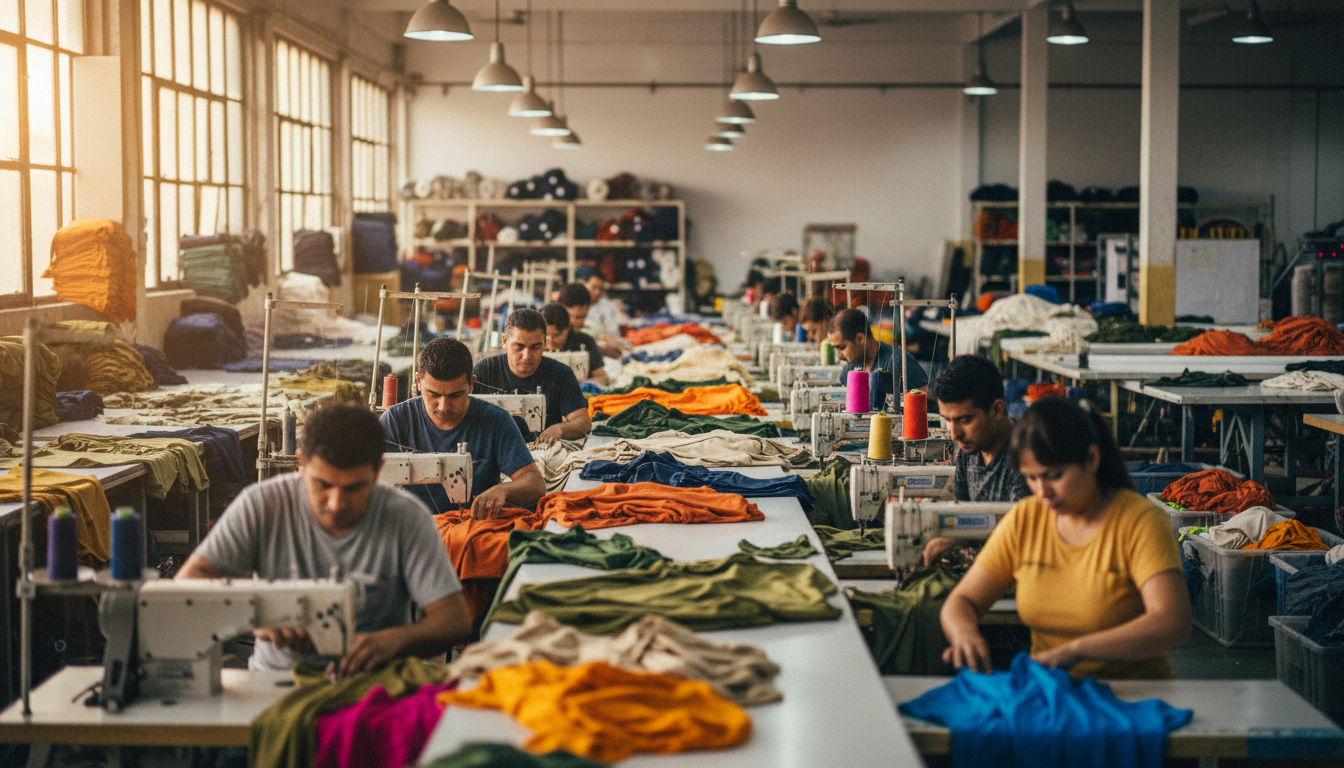
Robotic arms and automated cutting machines are capable of handling complex tasks with precision, freeing up human workers to focus on higher-level responsibilities. This transformation is leading to more agile and responsive manufacturing processes, catering to the fast-paced demands of the fashion industry.
The Emergence of 3D Printing in Textiles
3D printing technology is making waves in the garment industry, offering new possibilities for customization and design. This innovative approach allows for the creation of intricate patterns and structures that would be challenging to achieve with traditional methods.
With 3D printing, designers can experiment with new materials and create prototypes quickly, speeding up the product development cycle. As the technology continues to evolve, it is expected to become a staple in the production of high-end fashion and bespoke garments.
The Future of Garment Machinery: What Lies Ahead
The garment machinery landscape is rapidly evolving, with technological advancements driving unprecedented change. As we look to the future, manufacturers can anticipate further innovations that will enhance sustainability, efficiency, and creativity in garment production.
- Continued integration of AI and machine learning for smarter production.
- Advancements in sustainable materials and eco-friendly processes.
- Greater customization and personalization options through technology.
In conclusion, the garment industry is on the cusp of a technological revolution. By embracing these innovative trends, manufacturers can not only meet the demands of today's consumers but also pave the way for a more sustainable and efficient future.