Top 5 Innovations in Garment Machinery You Should Know About


Revolutionizing the Garment Industry
The garment industry is witnessing a groundbreaking transformation, thanks to innovative machinery designed to enhance efficiency and quality. These advancements are not only streamlining production but also setting new standards for sustainability and creativity.
This post explores the top five innovations in garment machinery that are shaping the future of fashion. Whether you're a manufacturer, designer, or simply curious about the latest trends, these innovations are worth knowing.
1. 3D Knitting Machines
One of the most exciting developments is the advent of 3D knitting machines. These machines allow for the creation of seamless garments, reducing waste and increasing comfort. By knitting directly from a digital file, designers can experiment with complex patterns and structures that were previously unattainable.
2. Laser Cutting Technology
Laser cutting technology has revolutionized the way fabrics are cut and shaped. This method offers precision and speed, enabling manufacturers to cut intricate patterns with minimal fabric waste. The flexibility of laser cutting allows for more creative designs, enhancing the artistic expression in garments.

3. Automated Sewing Machines
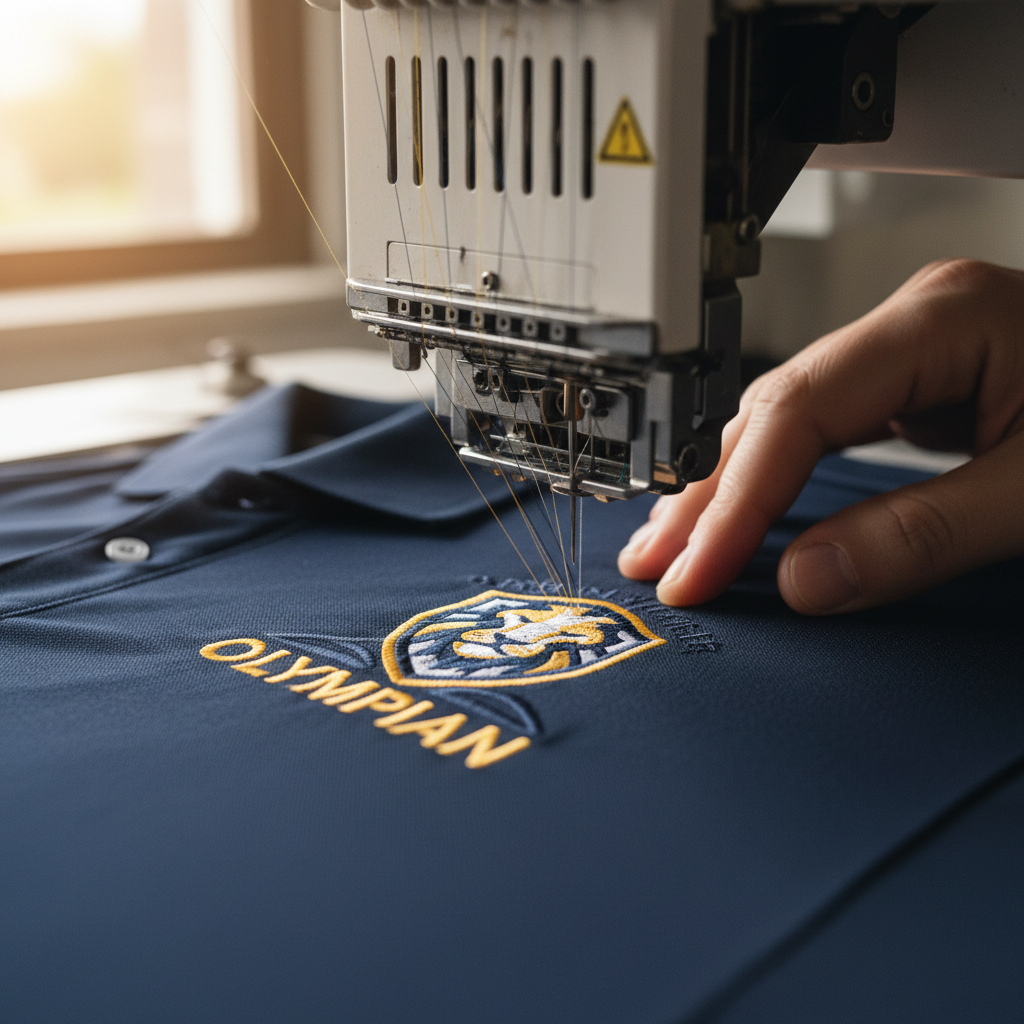
Automated sewing machines are at the forefront of the industry's shift toward automation. These machines reduce the need for manual labor, increasing productivity and consistency in garment production. With features like automatic threading and stitch regulation, they ensure high-quality finishes.
4. Digital Printing on Fabrics
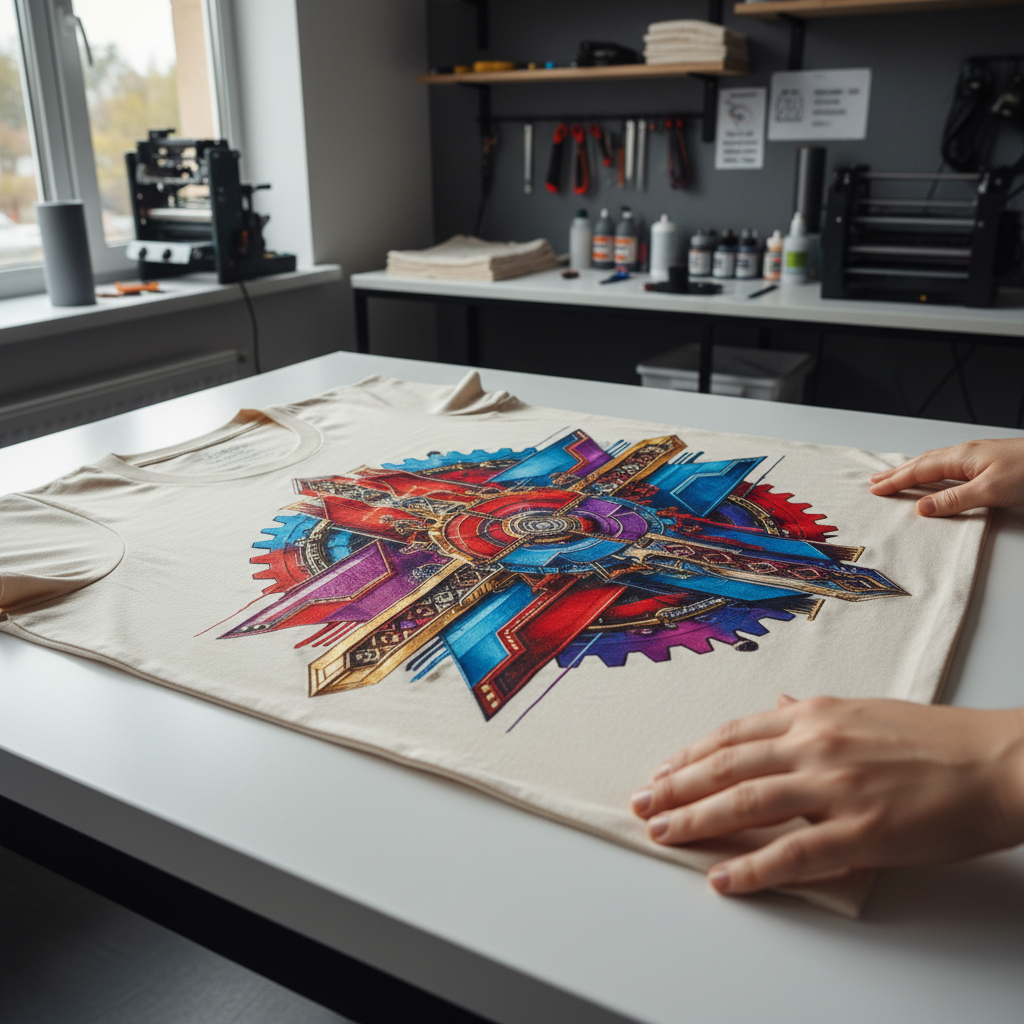
Digital printing technology has opened new avenues for customization in fashion. Unlike traditional printing methods, digital printing allows for on-demand production, making it easier to create personalized designs. This innovation supports sustainability by reducing water usage and chemical waste.
5. Smart Textiles and Wearables
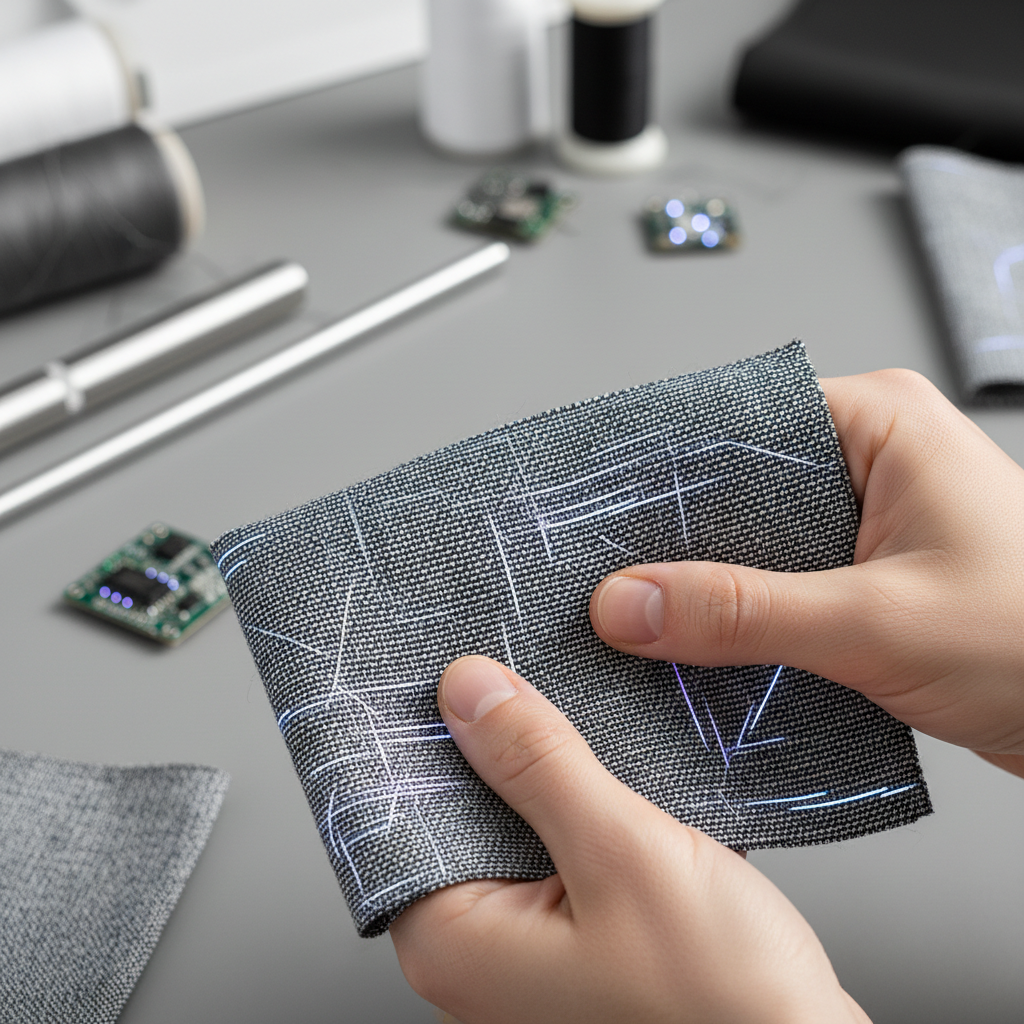
Smart textiles are paving the way for garments that are not only stylish but also functional. Incorporating sensors and conductive threads, these textiles can monitor health, change color, or even regulate temperature. As wearable technology continues to evolve, the integration of smart textiles in everyday clothing is becoming more prevalent.
The garment industry is undergoing a remarkable transformation, driven by these technological advancements. From sustainable practices to creative freedom, the impact of these innovations is profound. As the industry continues to evolve, staying informed about these trends will be essential for anyone involved in fashion.