
Top 5 Misconceptions About Garment Machinery Debunked


Garment machinery is a fascinating and complex field, yet it often suffers from misconceptions that can mislead those new to the industry. In this post, we'll debunk the top five misconceptions about garment machinery to provide a clearer understanding of its capabilities and impact.
Misconception 1: Garment Machinery is Outdated
Many believe that garment machinery is stuck in the past, relying on outdated technology. In reality, the industry is constantly evolving, incorporating the latest advancements in automation, AI, and IoT. These innovations enhance efficiency, precision, and sustainability in garment production.
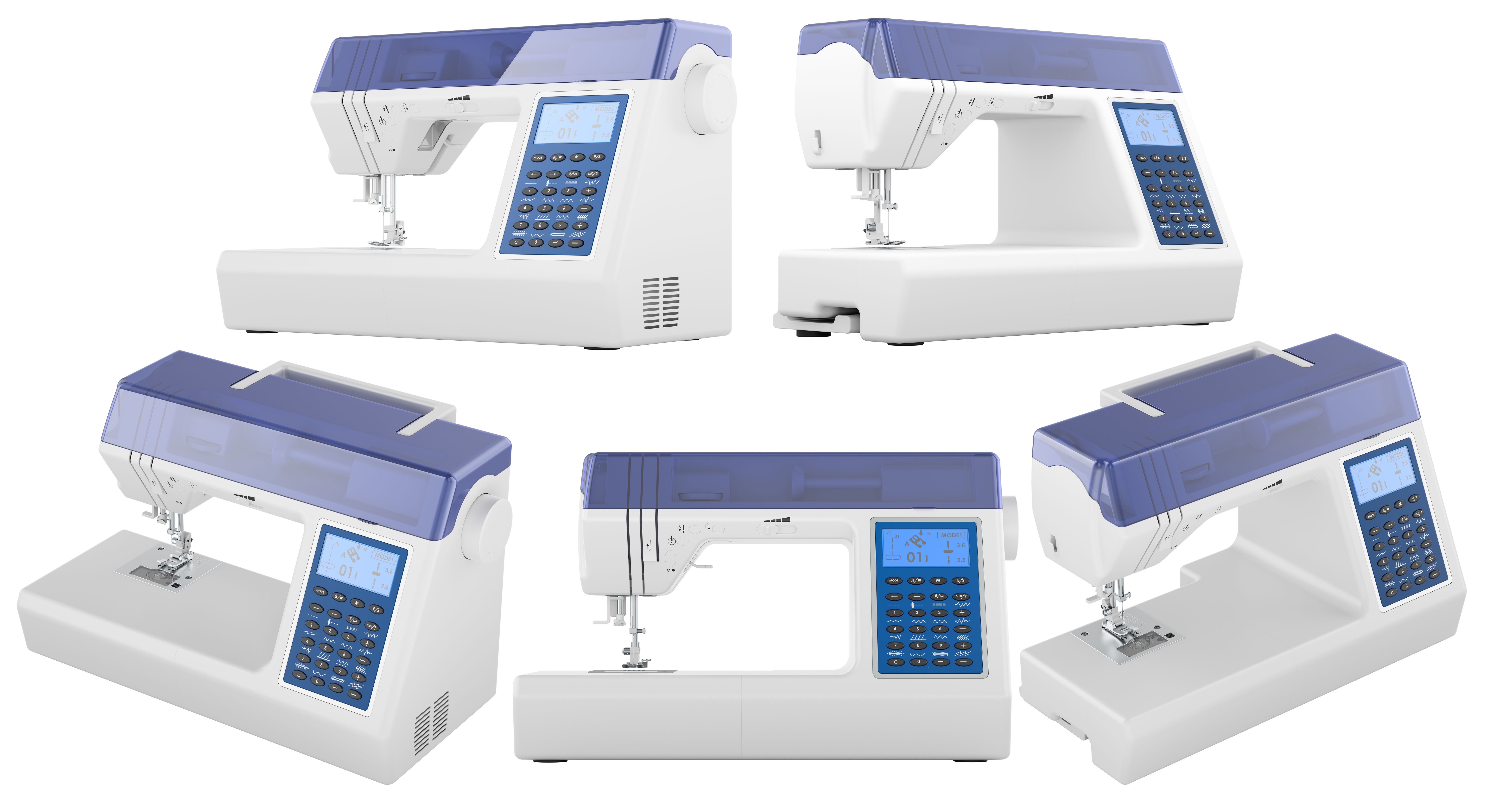
Advanced Technologies in Use
Today’s garment machinery often includes computerized systems that allow for precise control over every aspect of production. From automated cutting machines to sophisticated embroidery systems, these technologies streamline processes and reduce waste, making production more sustainable.
Misconception 2: Machine-Made Garments Lack Quality
Another common misconception is that garments produced by machines are of inferior quality. In fact, modern garment machinery is designed to ensure consistency and high standards. Machines can replicate intricate designs with precision, something that is often difficult to achieve manually.

Consistency and Precision
With the ability to maintain uniform tension and accuracy, garment machines produce items that meet strict quality standards. This consistency is critical in mass production, where uniformity is essential.
Misconception 3: Garment Machinery is Only for Large Factories
People often assume that only large factories can afford and benefit from garment machinery. However, machinery is available in various sizes and capacities, making it accessible for small and medium-sized enterprises (SMEs) as well.

Scalable Solutions
From compact sewing machines to versatile cutting tables, there are scalable solutions tailored to different business sizes. This flexibility allows smaller businesses to enhance their productivity without massive investments.
Misconception 4: Operating Garment Machinery Requires Extensive Training
While it's true that operating garment machinery requires some training, many modern machines are designed with user-friendly interfaces. This reduces the learning curve significantly, allowing operators to become proficient in a relatively short time.

Intuitive Designs
Manufacturers often provide comprehensive support and training materials, ensuring that operators can quickly adapt to new technologies. This approach helps businesses transition smoothly and efficiently.
Misconception 5: Garment Machinery is Not Environmentally Friendly
There's a growing concern about the environmental impact of garment machinery. However, many machines are now designed with sustainability in mind, focusing on reducing energy consumption and minimizing waste.
Sustainable Practices
Innovations such as energy-efficient motors and waste-reducing cutting techniques are becoming standard. This shift towards more sustainable practices helps the industry reduce its environmental footprint.
By understanding and debunking these misconceptions, businesses and individuals can make informed decisions about incorporating garment machinery into their operations. The modern landscape of garment production is dynamic, efficient, and more accessible than ever before.